Company car tax, or benefit in kind (BIK), is charged on a percentage of the car’s list price (its P11D value). The percentage depends on CO2 emissions and, for plug-in hybrids, how far the car can travel on electricity alone. That’s why electric cars and long-range plug-ins are so popular with company car drivers.
The rates for 2026/27
| Car | BIK rate 2026/27 |
|---|---|
| Electric (zero emissions) | 4% |
| Plug-in hybrid, 70–129 miles electric range | 4% |
| Plug-in hybrid, 40–69 miles | 7% |
| Plug-in hybrid, 30–39 miles | 10% |
| Plug-in hybrid, under 30 miles | 14% |
Petrol and diesel cars usually pay far higher rates, often 25% or more, depending on CO2.
Looking ahead: the electric car rate rises to 5% in 2027/28 and is then held there. Plug-in hybrid rates rise by 1 percentage point a year in 2028/29 and 2029/30, and from 2028 plug-ins with short electric ranges move into higher bands.
Worked examples (2026/27)
Using list prices from our data as an approximation of P11D value:
| Car | List price | BIK rate | Annual tax, 20% taxpayer | 40% taxpayer |
|---|---|---|---|---|
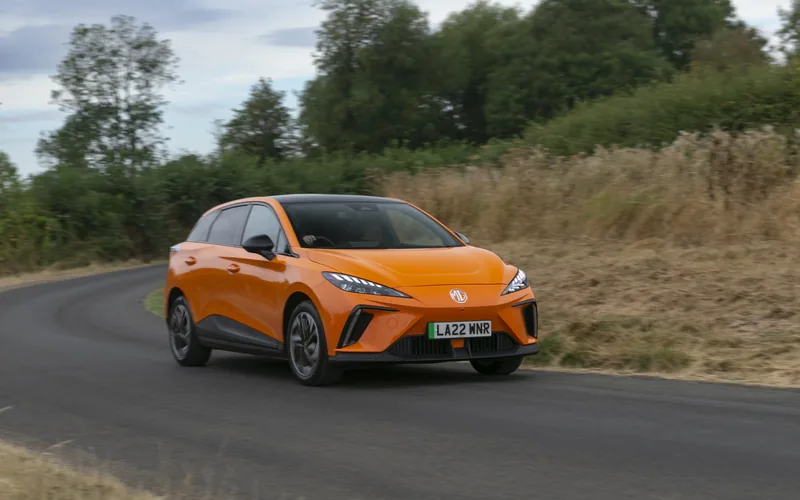
| MG4 EV Premium Long Range | £30,496 | 4% | about £244 | about £488 |
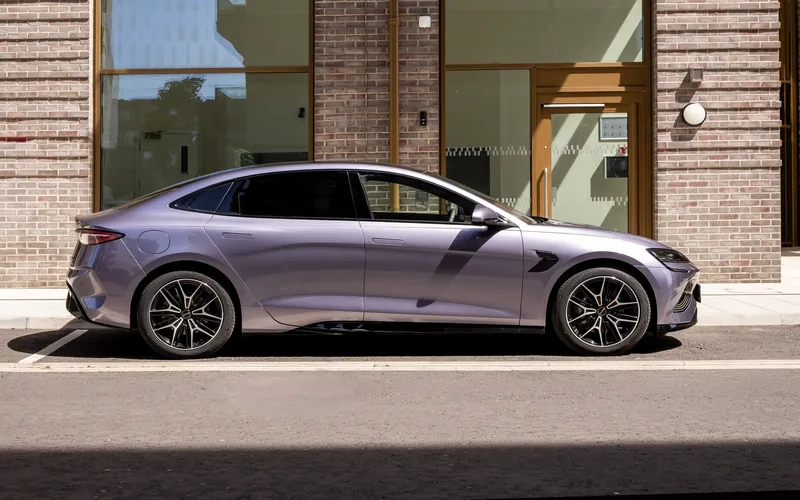
| BYD Seal Design | £45,730 | 4% | about £366 | about £732 |
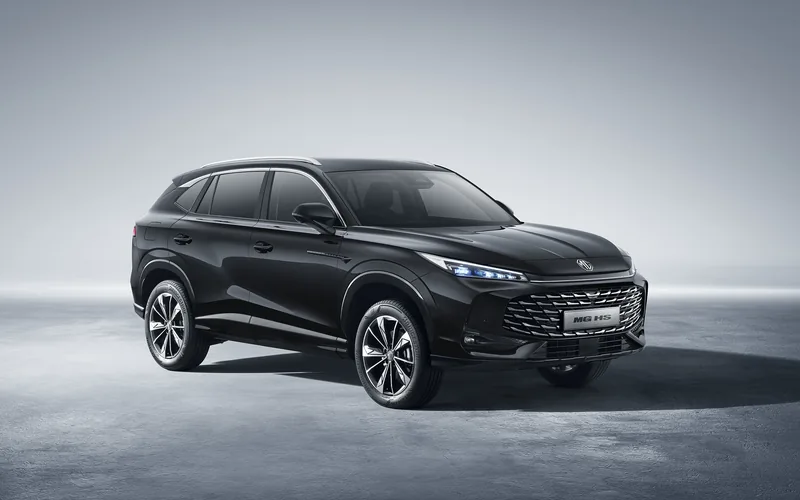
| MG HS PHEV SE (75 miles electric) | £32,495 | 4% | about £260 | about £520 |
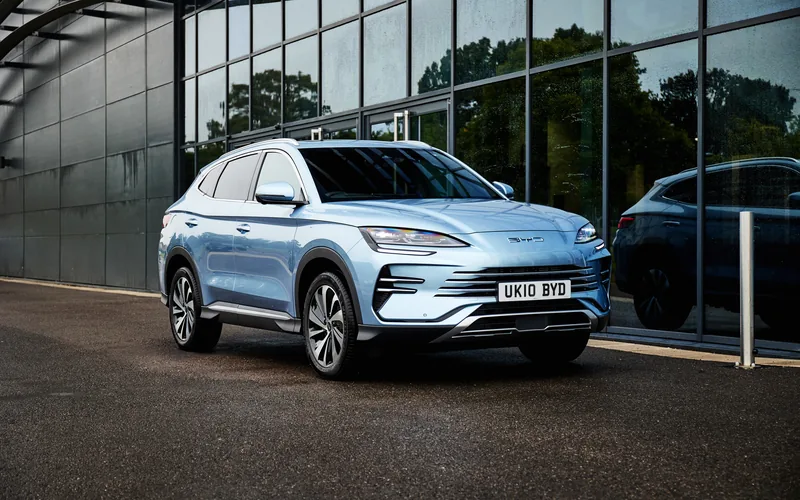
| BYD Seal U DM-i Comfort (78 miles) | £36,995 | 4% | about £296 | about £592 |
| BYD Seal U DM-i Boost (50 miles) | £34,995 | 7% | about £490 | about £980 |
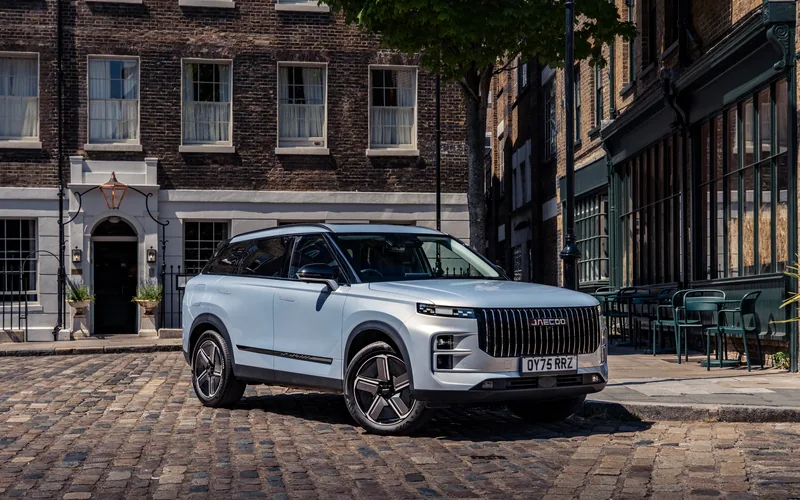
| Jaecoo 7 SHS-P (56 miles) | £35,170 | 7% | about £492 | about £985 |
Notice the two BYD Seal U versions: the Comfort’s longer electric range puts it in the 4% band, so it costs less in tax than the cheaper Boost.
Salary sacrifice
Many employers offer electric cars through salary sacrifice, where you give up part of your pre-tax salary for the car. Because the BIK rate on electric cars is so low, you can save income tax and National Insurance compared with leasing the same car privately. Savings depend on your tax band and the scheme, so ask your employer for a quote.
Things to check
- The car’s official electric range decides a plug-in hybrid’s band. A few miles can move it into a cheaper band.
- Options add to the P11D value, and therefore to the tax.
- Plug-ins only make sense if you charge them. If you won’t, the fuel bill may cancel out the tax saving.
This guide is general information, not tax advice. Ask your employer or an accountant about your own situation.