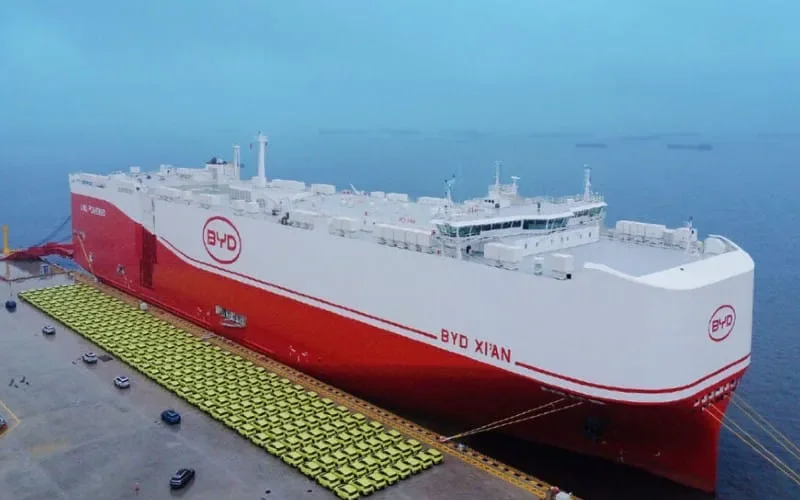
The UK government is considering whether to put extra tariffs on electric cars imported from China, according to reports over the past six weeks. Nothing has been decided, and the government says no such tariffs are in place. The question has become tied up with the UK’s wider trade talks with the European Union, and China has said it would respond if Britain acts.
What has been reported
At the end of September the Financial Times reported, citing unnamed people familiar with the talks, that Brussels had told London that closer alignment with EU trade policy could be a condition for UK companies to benefit from the EU’s planned “Made in Europe” rules, Electrive reported. Those rules, part of the EU’s Industrial Accelerator Act, favour products made inside the bloc. The EU’s stated concern is that lower UK trade barriers could turn Britain into a route for Chinese vehicles into the single market. The European Commission declined to comment to the FT.
On 4 October The Times reported that Business Secretary Jonathan Reynolds was drawing up a package of possible tariffs on Chinese vehicle imports, and that ministers were prepared to match the EU’s levy of up to 45%. Reuters, which carried the report, said it could not immediately verify it, and no timetable was given.
The current position
Today the UK charges its standard 10% import duty on cars from China, Electrive reports. Since late October 2024 the EU has added anti-subsidy duties of between 7.8% and 35.3% on Chinese-built battery-electric cars, on top of its own 10% duty, which takes the highest combined rate to 45.3%. The UK did not follow the EU at the time.
What each side says
The UK government’s response to the Times report was brief. “We have not put tariffs on Chinese EVs,” a spokesperson told Auto Express, adding that it continues to work closely with industry so its approach reflects the sector’s and the country’s interests.
Mr Reynolds told Politico at the Labour Party conference that the issue was under close review and that the UK’s position was finely balanced, Electrive reported. He pointed to the car industry’s reliance on exports and the risk of retaliation, and said different parts of the industry want different outcomes.
The Society of Motor Manufacturers and Traders (SMMT) said in September that being shut out of the EU’s Made in Europe scheme could threaten UK-EU automotive trade worth around €80 billion (about £67 billion at 7 Nov 2026 rates) and thousands of jobs on both sides, according to Auto Express.
China’s Ministry of Commerce set out its position on 19 October, CnEVPost reported. It described China-UK car industry cooperation as mutually beneficial, urged Britain to respect World Trade Organization rules and not simply follow the EU, and said it would watch the UK’s actions closely and take firm countermeasures if restrictions on Chinese electric vehicles were imposed.
Why it matters
Chinese brands have grown quickly in Britain. According to FT data cited by Electrive, Chinese-made vehicles account for around 16% of the UK new car market. Auto Express reports that the Jaecoo 7 was the UK’s best-selling car in September 2026, with MG and BYD also among the strongest sellers.
What it means for UK buyers
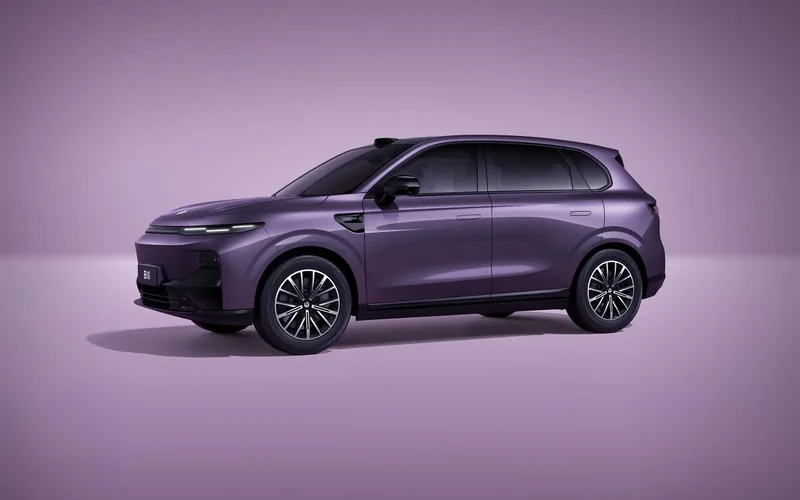
For now, nothing has changed: Chinese-built cars carry the same 10% duty as before, and prices are set by the makers as usual. If the UK did adopt EU-style tariffs, the cost of importing Chinese-built electric cars would rise, and some or all of that could be passed on to buyers. How much would depend on each maker’s pricing decisions and on where its cars are built: Leapmotor, for example, has started building the B10 in Spain.
What is not known is whether ministers will act, what any tariff would cover (electric cars only, or hybrids too), when it would start, or how China would respond in practice. Anyone buying a Chinese-built car in the next few months is unlikely to be affected by a decision that has not yet been made, but we will report any announcement from the government.