Power types, explained
Chinese brands sell every kind of car in the UK, from pure electric to range-extenders and diesel pickups. Here is what each label means, how the energy gets to the wheels, and who each one suits.
At a glance
| Type | Plug in? | Electric-only driving | Has an engine? | Engine turns the wheels? | Typical battery |
|---|---|---|---|---|---|
| Battery electric BEV | Yes | All of it | No | — | 50–100 kWh |
| Range-extender electric REEV | Yes | Everyday trips, then the generator takes over | Yes | No | About 19–28 kWh on the models we list |
| Plug-in hybrid PHEV | Yes | 30–80 miles | Yes | Yes | 15–30 kWh |
| Self-charging hybrid Self-charging | No | Short, slow bursts | Yes | Yes | 1–2 kWh |
| Petrol or diesel ICE | No | None | Yes | Yes | None (mild hybrids under 1 kWh) |
Ranges and battery sizes are typical figures for the models on our list, not limits. Check each model's page for its own numbers.
1 of 5 · BEV
Battery electric
Electricity only. A big battery, one or two motors, no engine.
How it works
A battery electric car runs only on electricity. A large battery under the floor feeds one or two electric motors, which turn the wheels directly. There is no engine, no gearbox to speak of and no exhaust.
You charge it from a wallbox at home, a public charger or a rapid charger at a motorway services. When you slow down, the motors work as generators and put some energy back into the battery.
Good for
- Lowest running costs if you can charge at home
- Quiet, smooth and quick away from the lights
- Little routine servicing: no oil, filters or clutch
- Lowest company-car tax (BIK) band
Watch out for
- Range falls in cold weather and at motorway speeds
- Rapid charging costs much more per mile than home charging
- Long trips need a quick plan for where to charge
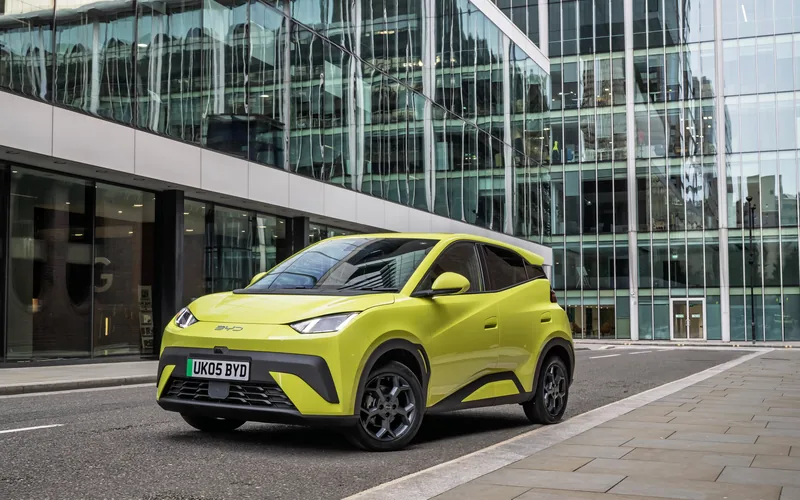
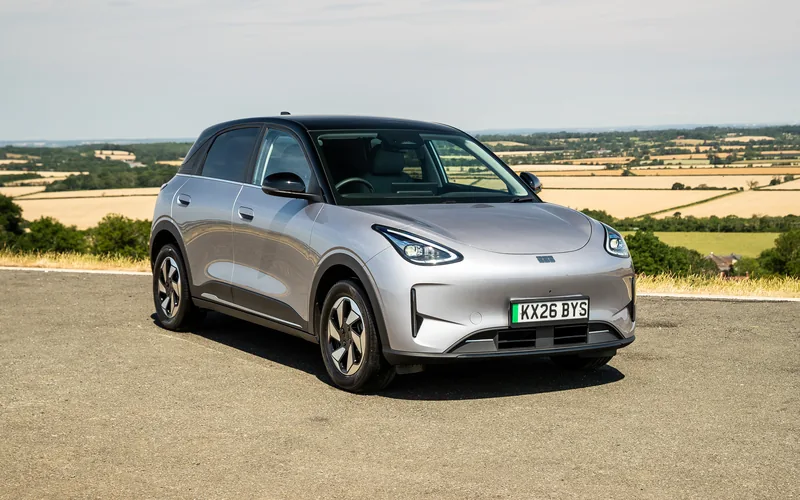
Battery electric cars available now
Browse all (46 available, 15 coming)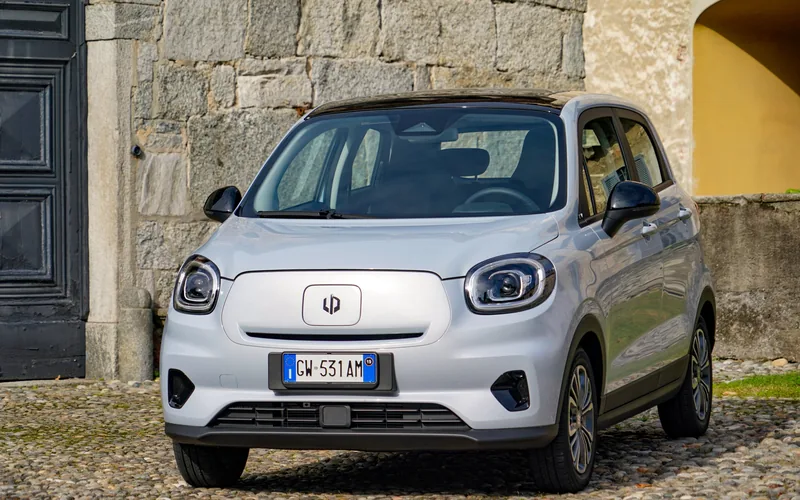


2 of 5 · REEV
Range-extender electric
Always driven by electric motors, with a petrol generator on board for long trips.
How it works
A range-extender electric car always drives on its electric motor. You charge its battery like any EV, and it covers everyday trips on electricity alone; how far depends on the model.
It also has a small petrol engine, but the engine never turns the wheels. Its only job is to run a generator that tops up the battery when it runs low, so you can keep going on a long trip without stopping to charge. Chinese makers often call this EREV; you will see both names.
Good for
- Drives like an EV day to day
- No range worry on long journeys: fill up with petrol in minutes
- Most local driving can be electric if you charge regularly
Watch out for
- Once the battery is empty, economy is closer to a petrol hybrid
- The engine can be audible when it works hard
- Heavier than a petrol car of the same size
Range-extender electric cars available now
Browse all (2 available, 5 coming)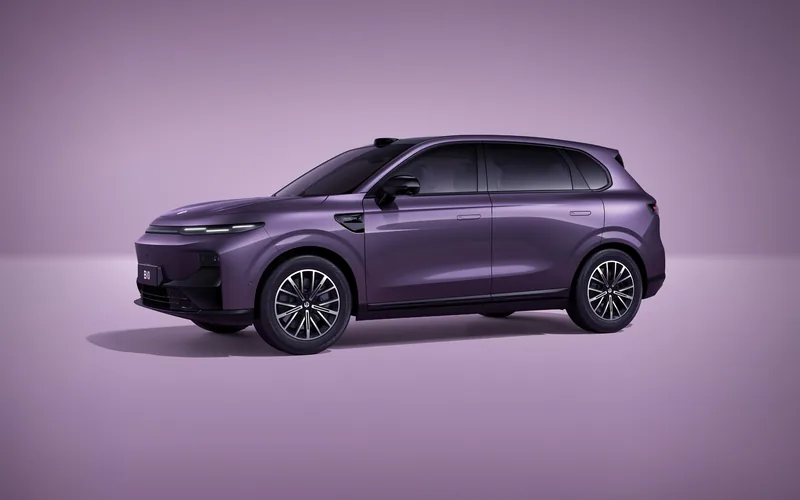
3 of 5 · PHEV
Plug-in hybrid
Petrol engine and electric motor both drive the wheels; a plug-in battery covers short trips.
How it works
A plug-in hybrid has a petrol engine and an electric motor, with a mid-size battery you charge from a plug. With a full battery it drives on electricity alone for shorter journeys; most of the Chinese plug-ins sold in the UK claim between 30 and 80 miles.
When the battery runs down it carries on as a normal hybrid. Unlike a range-extender, the engine can turn the wheels directly, which helps it stay efficient at motorway speeds.
Good for
- Electric commuting with no charging stops on long trips
- Low company-car tax when the electric range is long
- Strong performance when engine and motor work together
Watch out for
- Only economical if you plug in regularly
- Official mpg figures assume you start with a full battery
- Two systems to service, and a smaller boot in some models
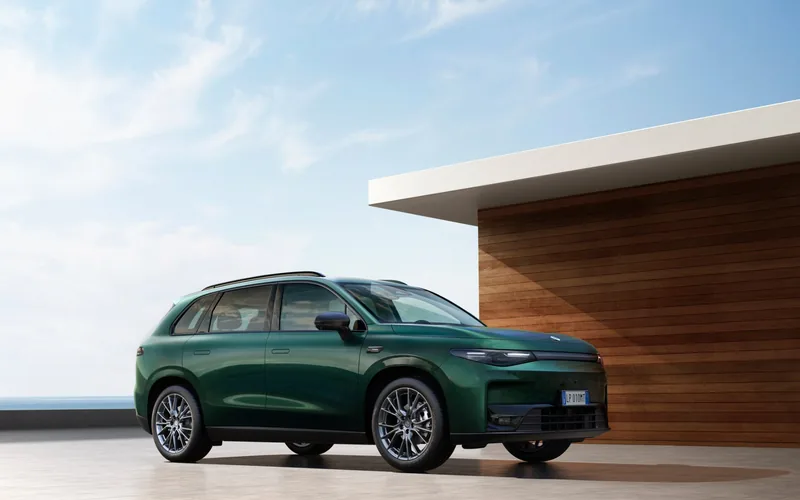
Plug-in hybrid cars available now
Browse all (23 available, 4 coming)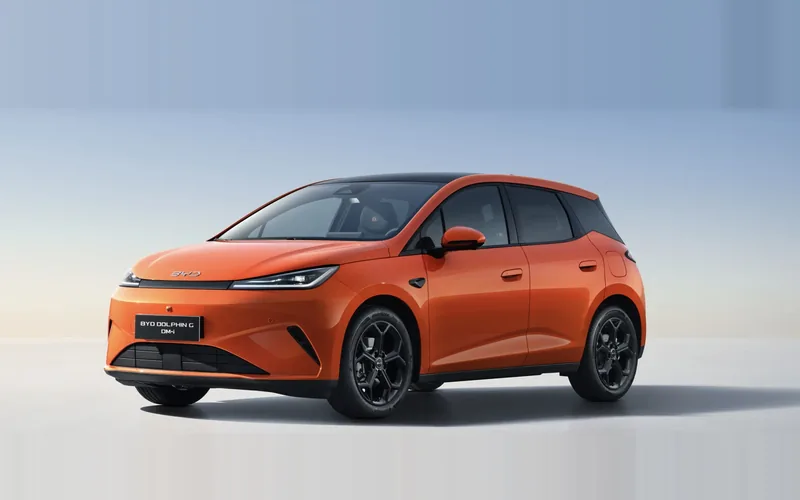

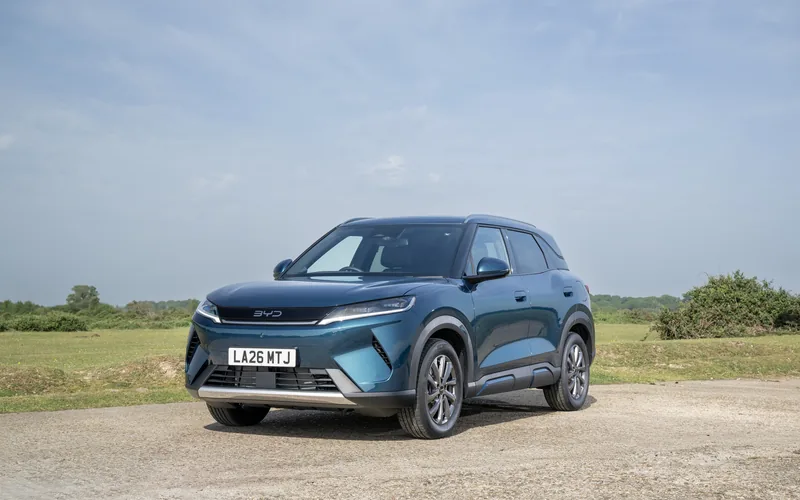
4 of 5 · Self-charging
Self-charging hybrid
A petrol car helped by a small motor and battery. No plug.
How it works
A self-charging hybrid (HEV) is a petrol car with a small electric motor and battery. You never plug it in: the battery is charged by the engine and by energy recovered when you brake or coast.
The motor helps when pulling away and at low speed, so the engine works less, especially in town. “Self-charging” is a marketing name: all of its energy still comes from the petrol in the tank.
Good for
- Better town economy than a plain petrol car
- Nothing changes: fill up and drive
- No need for a home charger
Watch out for
- Electric-only driving is limited to short, slow bursts
- Motorway economy is close to a normal petrol car
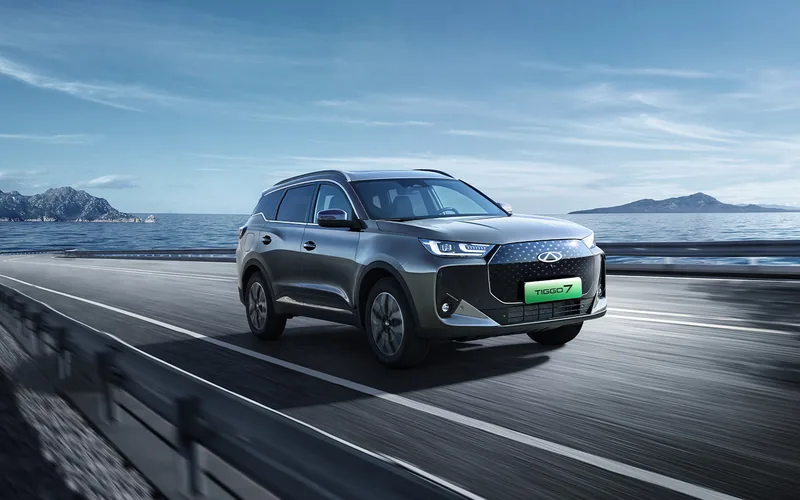
Self-charging hybrid cars available now
Browse all (7 available, 1 coming)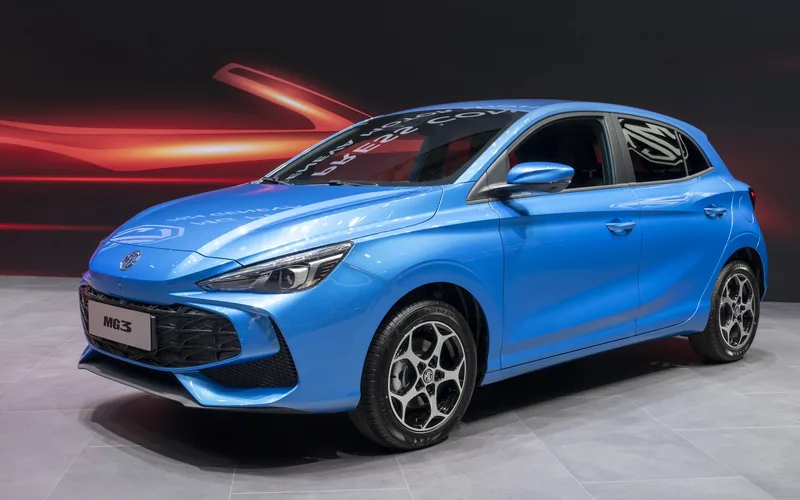

5 of 5 · ICE
Petrol or diesel
A conventional engine and gearbox. Mild hybrids add a little electric help.
How it works
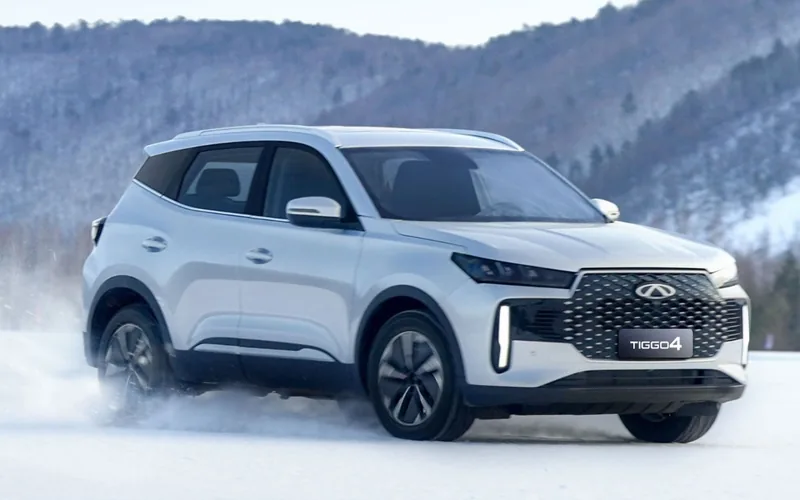
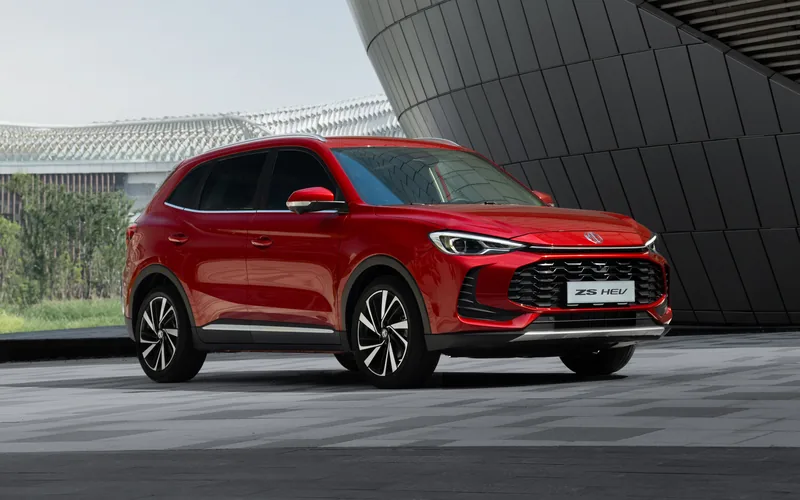
An internal combustion engine (ICE) burns petrol or diesel and turns the wheels through a gearbox. It is the simplest of the five, refuels in minutes almost anywhere, and is usually the cheapest to buy.
Many new petrol and diesel cars are mild hybrids (MHEV). A small starter-generator, often 48-volt, recovers a little energy when you slow down and gives the engine a gentle boost. It cannot drive the car on electricity alone, so we group mild hybrids with petrol and diesel.
Good for
- Lowest purchase prices
- Refuel in minutes, wherever you are
- Good for very high mileage, towing and remote areas
Watch out for
- Highest fuel costs and emissions of the five
- Under current UK rules, new petrol and diesel cars stop being sold from 2030; full and plug-in hybrids can be sold until 2035
Petrol or diesel cars available now
Browse all petrol or diesel · Browse all mild hybrid (14 available, 1 coming)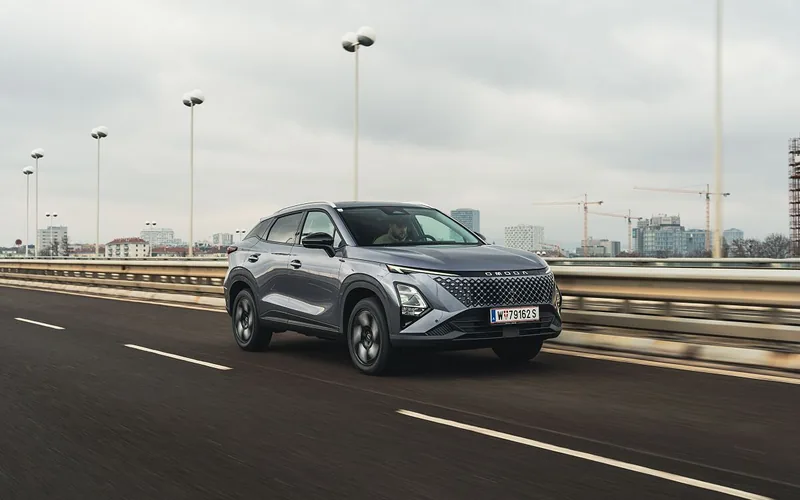

Diagrams are simplified 3D illustrations made by Neural Drive, not any specific model. Where parts sit varies from car to car.