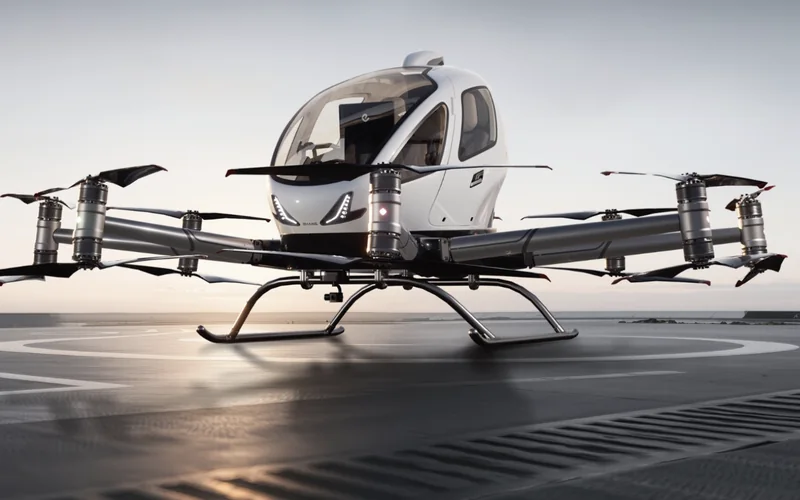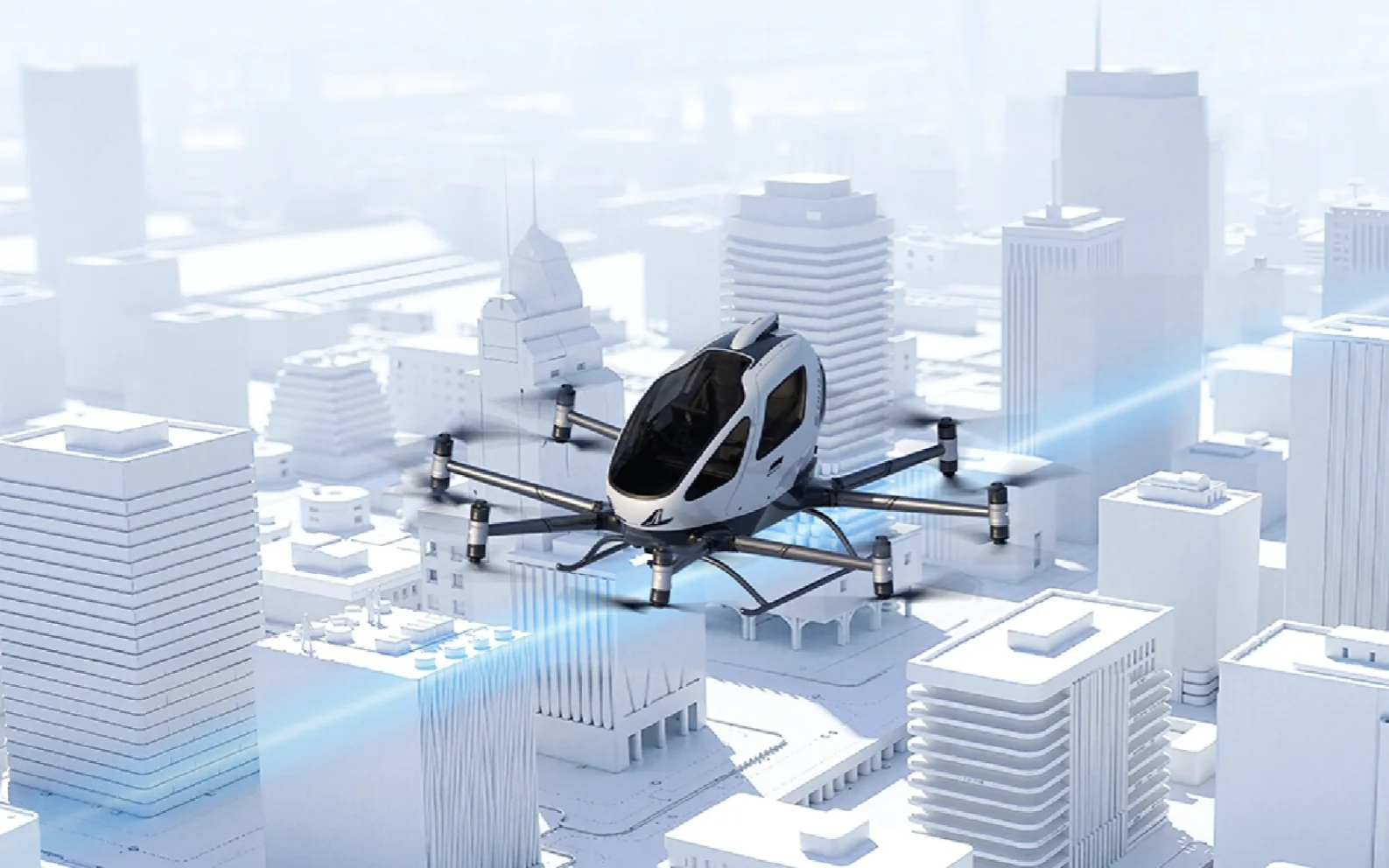
The UK Civil Aviation Authority (CAA) has published a report on how noise from drones and electric vertical take-off and landing (eVTOL) aircraft could be assessed and managed as the technologies move from trials towards everyday use. The report, CAP3304 Managing Noise from Emerging Aviation Technology, was announced on 12 October and was written to support the Department for Transport’s work on a national drone noise policy.
It sits within the CAA’s Future of Flight programme, which is preparing UK airspace for drones and air taxis. The report notes the government targets behind that work: routine drone flights beyond the operator’s line of sight by 2027, and piloted eVTOL operations from 2028.
Quieter, but different
The CAA expects drones and eVTOLs to be quieter than helicopters doing similar jobs. Aviation Week, reporting on the document, highlighted its caution that this alone does not settle the question. These aircraft may fly lower, hover, operate from many scattered sites, fly more often and pass closer to homes, including over places that rarely hear aircraft today. The report says some types may be more annoying than other sources at the same measured sound level, and that how often they fly and how visible they are will shape how people react.
What is missing
The report finds that the UK’s existing noise rules give a starting point but do not yet cover these aircraft properly:
- Metrics: today’s measures were designed for conventional aircraft, and the UK has no robust evidence on how routine drone or eVTOL flights affect annoyance or sleep.
- Standards: many drone and eVTOL types have no internationally agreed noise certification standard, and some eVTOL designs may not be testable under current international procedures without changes.
- Modelling: the standard international method for calculating aircraft noise cannot yet handle drones or eVTOLs, because the underlying aircraft data does not exist.
European regulator EASA has published noise specifications for eVTOL designs, which the CAA says inform its work but do not apply in the UK.
Six priorities
Rather than setting hard limits now, the CAA proposes an approach that develops as evidence builds. It lists six priorities: quieter aircraft design; proportionate noise assessment; suitable routes and operating procedures; open engagement with communities; accessible complaints processes; and systematic collection of flight and noise data from trials and early services.
It recommends that a first national drone noise policy should use interim measures rather than comprehensive numerical limits, and should be flexible enough to cover trials and early commercial services. It also says complaints should be handled in a way that separates noise from other concerns people raise about drones, such as privacy and safety.
Responsibility is likely to stay shared: the Department for Transport sets national policy, the CAA regulates within its legal remit, and local and devolved bodies keep their planning and environmental health roles.
Ed Weston, the CAA’s head of environmental research and consultancy, said: “A clear and proportionate approach to noise can protect communities, give operators greater certainty …”
What it means for the UK
This is groundwork, not a rulebook. No new noise limits apply yet, and the report does not change the 2028 target for piloted air taxi services. What it does show is that noise is likely to be one of the conditions any drone delivery or air taxi service in Britain must meet, whether the aircraft is built in the UK, Europe or China.
For residents, the direction is towards early consultation, clear information about who is flying and where, and a route to complain. For operators, it means collecting noise data from the start. When a national drone noise policy is published and how strict it will be are still open questions.