From 7 January, “self-driving” stops being a marketing choice in Britain and becomes a legal one.
The Automated Vehicles (Marketing Restrictions) Regulations 2026 (SI 2026/733), made under section 78 of the Automated Vehicles Act 2024, come into force that day. They reserve eight terms for vehicles Britain has formally authorised or listed as automated. Use one of them to sell anything else and it is an offence. The rules extend to England, Wales and Scotland, so Northern Ireland sits outside them.
The eight are: automated, automated driving, autonomous, autonomous driving, drive autonomously, drive itself, driverless, and self-driving.
What the rules cover
The Department for Transport set out the scope in a written statement to Parliament on 7 July. Protection extends to other parts of speech and grammatical forms, so “drives itself” and “driving itself” are caught alongside “drive itself” on the list.
Two of the words are narrower than they look. Automated and autonomous are restricted only when they describe a vehicle as a whole, or its overall driving capability, and stay permissible for individual features: the department’s own examples are automated windscreen wipers and autonomous emergency braking.
Being off the list does not make a term safe. The statement notes that words consultees suggested adding, such as robotaxi and AI driver, will instead be caught by the general confusion offence in section 79. The department’s stated reason for all of it is unsentimental: misleading marketing, it says, can mislead drivers into “thinking that they do not need to pay attention to the road”.
The claims it meets
Tesla has already moved. In October it renamed Full Self-Driving to Tesla Assisted Driving across its European sites, the UK included, after pressure from German regulators over the old name. British rules were not the trigger, but they would have caught the old name anyway.
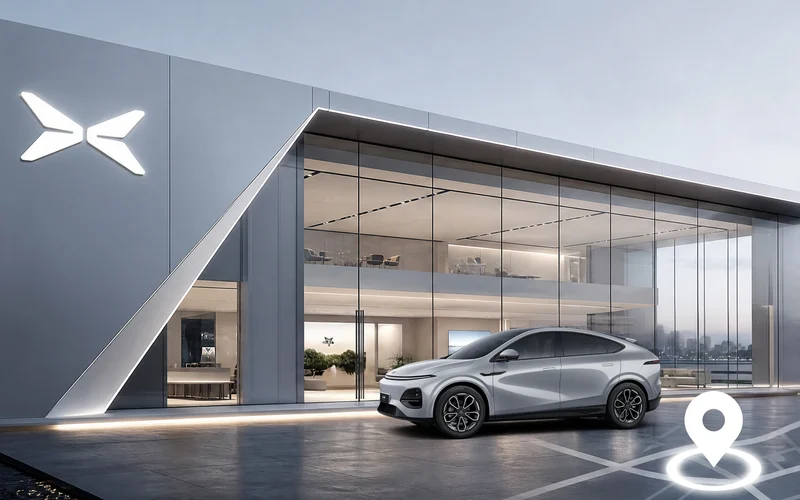
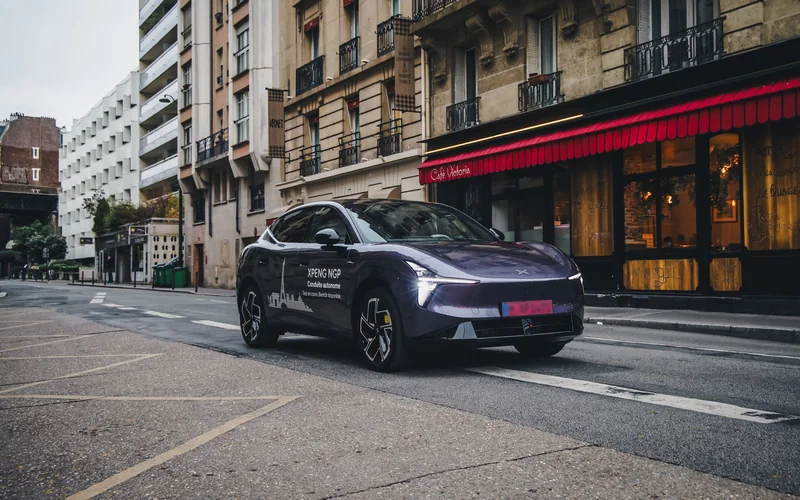
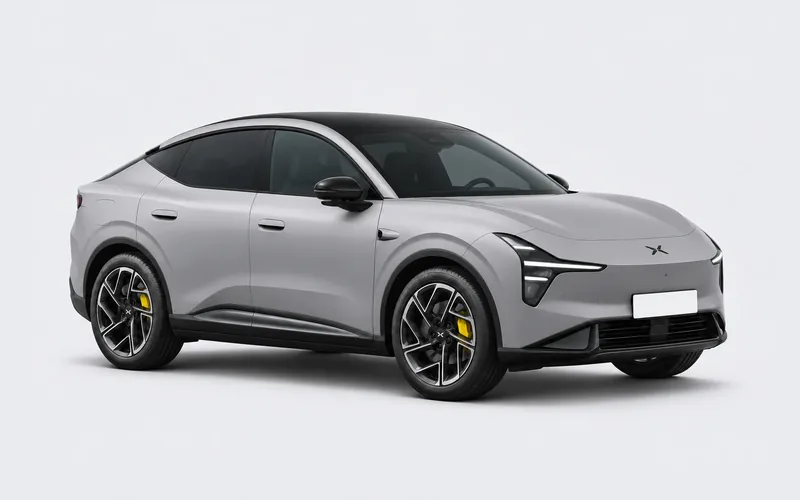
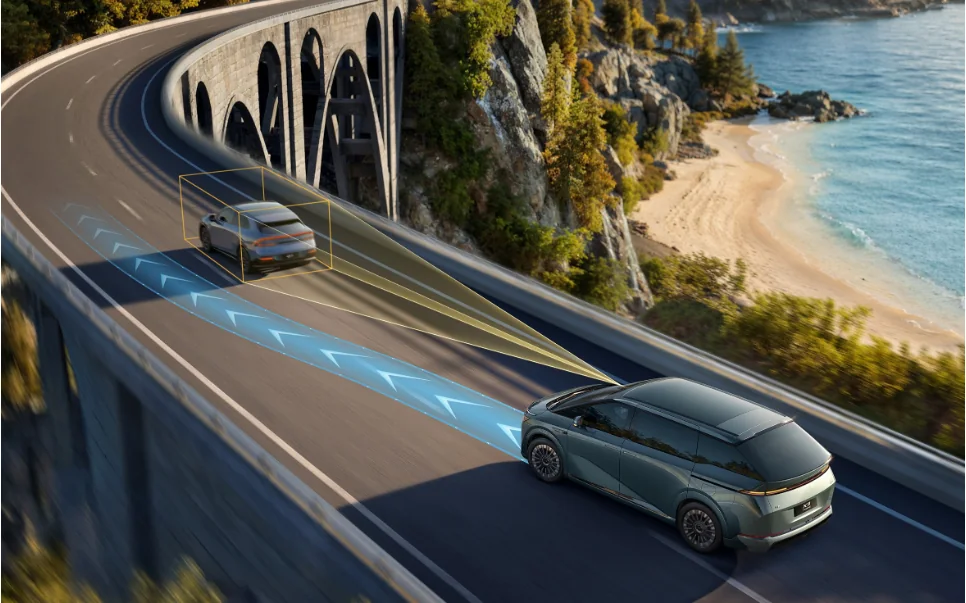
Chinese brands are heading for the same line. XPeng’s own newsroom announces NGP as Level 2++ autonomous driving, planned for Europe from 2027 — a company already marketing to European buyers with a word Britain is about to reserve. Level 2 is the clue in that phrase: the driver is still driving.
None of which says the engineering is standing still. It says Britain has decided the gap between what a system does and what a buyer believes it does is itself a safety problem, and has legislated against the adjectives rather than the engineering.
The eight words, and who they bind
Those eight words, from 7 January, mean one of two things in British marketing: an authorised automated vehicle, or an offence. The Regulations’ explanatory note puts the offence on any person using a restricted term to promote or supply a vehicle, or equipment for one, so it reaches well past the manufacturers to dealers, importers, accessory sellers and anyone advertising a used car. Buyers are not caught, which makes the list a test to apply to a brochure rather than a rule you can break.
What nobody can tell you yet is which system earns Britain’s first authorisation, or when. The marketing rules arrive before any of the cars do. We will report the first authorisation when it comes.