China Tech Watch is our monthly round-up of technology that’s already on sale in Chinese cars, with our view on whether, and when, it will reach the UK. Each item gets a simple outlook: Here now, Coming, Watching or Unlikely soon.
In-house AI chips · Outlook: Watching
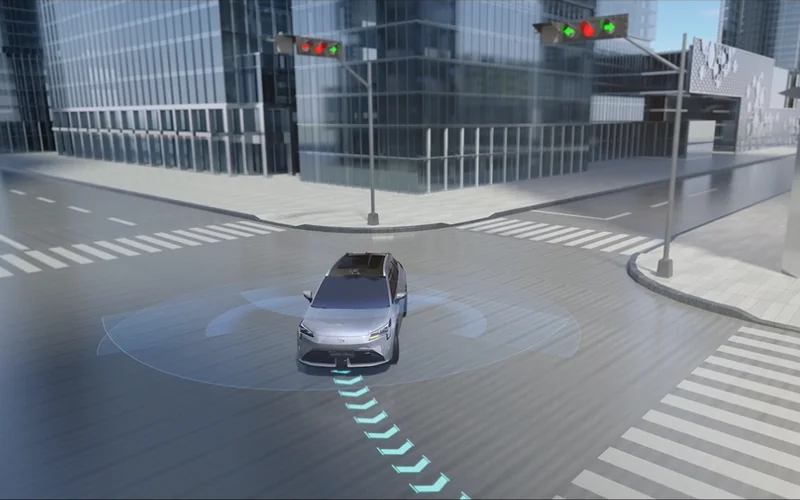
XPENG now designs its own chip for assisted driving, called Turing. Its cheapest car in China, the 2026 Mona M03, offers “up to 750 TOPS” of computing power, and the new P7 can be bought with one, two or three Turing chips. XPENG says it has shipped more than 200,000 of them. NVIDIA’s rival Thor chip is quoted at up to 2,000 TOPS.
UK outlook: the chip in a UK-spec car can differ from the Chinese version, and UK law still limits what assisted driving may do. Ask which chip a car has before you buy. Our Opinion piece, The car is becoming a chip product, explains why it matters.
1,200-volt electrics · Outlook: Watching
BYD’s Yangwang U9 Xtreme used a 1,200-volt system and four motors to reach 503.17km/h in Abu Dhabi on 1 November. Higher voltage means faster charging and less heat for the same power. Most electric cars sold in the UK today run at 400 or 800 volts.
UK outlook: Yangwang doesn’t sell in the UK, and only 30 U9 Xtremes will be built. The technology matters more than the car. See our story on the record.
Battery swapping · Outlook: Unlikely soon for cars
China has thousands of stations that swap an electric car’s battery in minutes. In the UK, the first swapping plans are for lorries, not cars. See battery swapping: China’s networks and the UK outlook.
Buttons, door handles and lights · Outlook: Coming
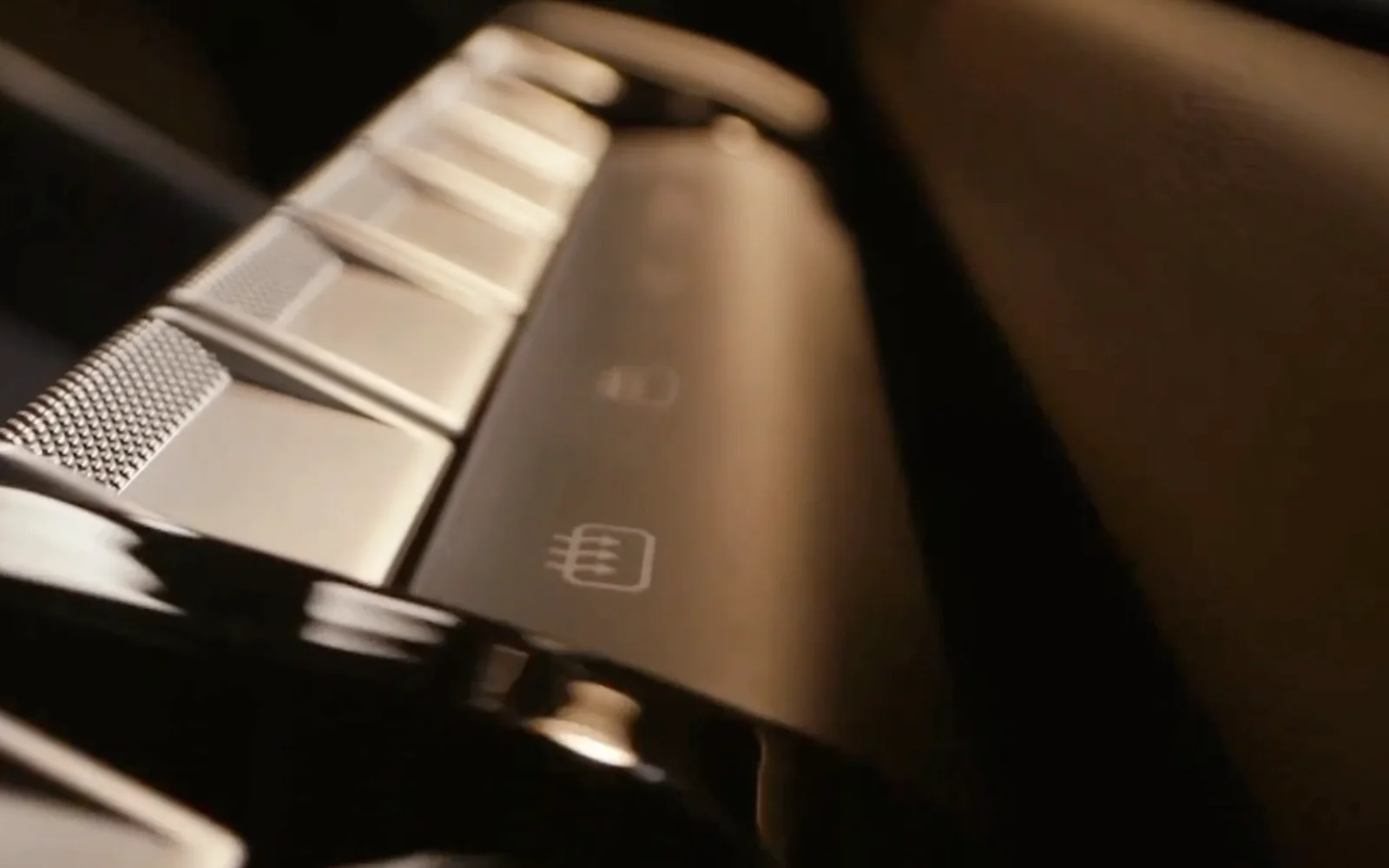
China will require physical controls for essentials such as indicators, hazard lights, gear selection and wipers from 1 July 2027, and mechanical door releases on new models from 2027. It has also banned the blue “assisted driving” lights many Chinese cars carried. Read our explainer.
What it means for the UK
The pattern this month is that Chinese technology races ahead on chips and voltage, while regulation, in China and Europe, is pulling interiors back towards simple, physical controls. For UK buyers, the practical checks are the same: which chip and charging speed the UK-spec car actually has, and how its doors and essential controls work when the screen or the battery doesn’t.