For a decade, car design has been heading one way: fewer buttons, bigger screens, smoother surfaces. China, the world’s biggest car market, is now pulling in the other direction. Three changes matter most.
1. Physical controls are coming back
A revised national standard on vehicle controls, due to take effect on 1 July 2027 for newly made cars, requires physical controls for essential functions rather than screen-only menus. According to reports of the standard, these include:
- indicators, hazard lights and the horn
- gear selection (park, reverse, neutral, drive)
- wipers, demisters and electric windows
- the emergency call system and, on electric cars, a power shut-off switch
- a switch to turn driver assistance on
Controls must be at least 10mm by 10mm, stay in a fixed place, give a click or sound when pressed, and keep working if the car’s computer crashes. The aim is simple: drivers shouldn’t have to take their eyes off the road, or wait for a frozen screen, to switch on the hazards.
2. Door handles must always open
Flush, electrically popped-out door handles have become a signature of modern electric cars. After fatal crashes in which doors reportedly failed to open, China’s industry ministry has made mechanical door releases compulsory. New models must comply from 1 January 2027, and models already on sale have until 1 January 2029. Doors must open by hand from inside even with no power, and outside handles need enough room to grip.
3. Blue ‘assisted driving’ lights are banned
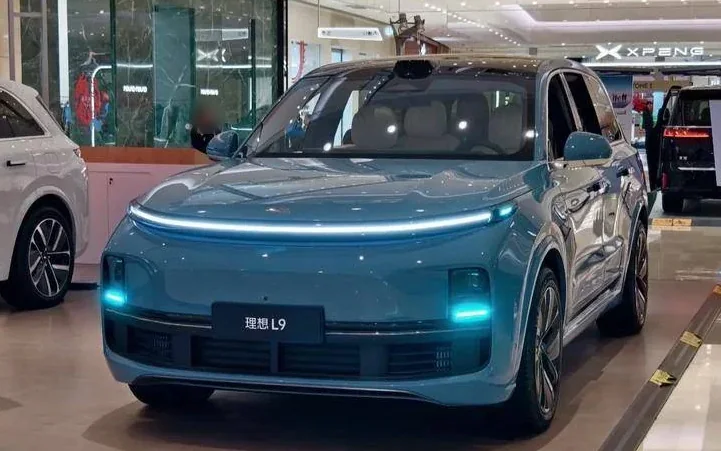
Many Chinese cars light up a small blue lamp on the outside when assisted driving is switched on. China has banned these on newly certified models from 27 July 2026, because blue isn’t an approved colour under its lighting standard and the lamps were dazzling other drivers. A separate draft rule, published in October, would allow a blue-green light only for genuinely self-driving cars (Level 3 and above), to separate them from cars where the driver must still supervise.
What it means for UK buyers
These are Chinese rules for cars sold in China, so they don’t directly change cars sold here. But they will still shape what reaches British showrooms:
- Buttons: carmakers tend to build one interior for all markets. Europe is pushing the same way: Euro NCAP’s 2026 safety ratings reward cars that keep physical controls for basics such as indicators, hazard lights, horn and wipers. Expect Chinese brands’ next UK models to bring some buttons back.
- Door handles: several electric cars sold in the UK use flush, powered handles. If you’re buying, check how the doors open from inside and outside with a flat battery. It’s in the owner’s manual, and worth knowing either way.
- Blue lights: UK-spec cars don’t carry them. British lighting law already reserves blue lamps for emergency vehicles.
We’ll update this story as Chinese brands announce design changes for European models.