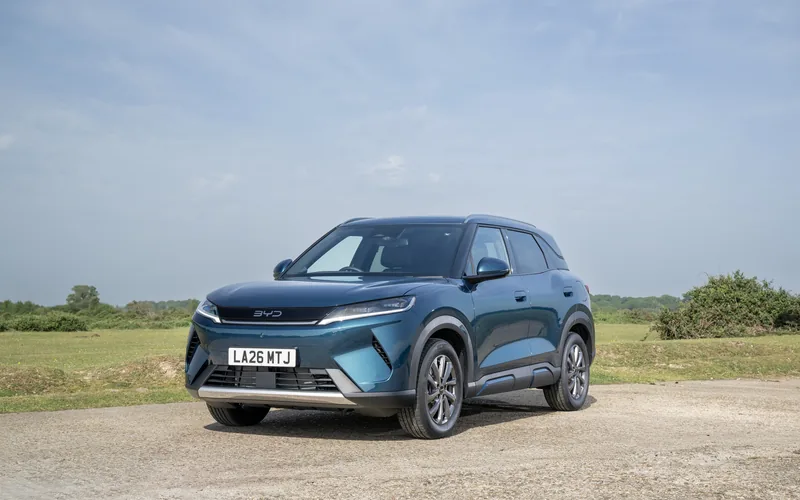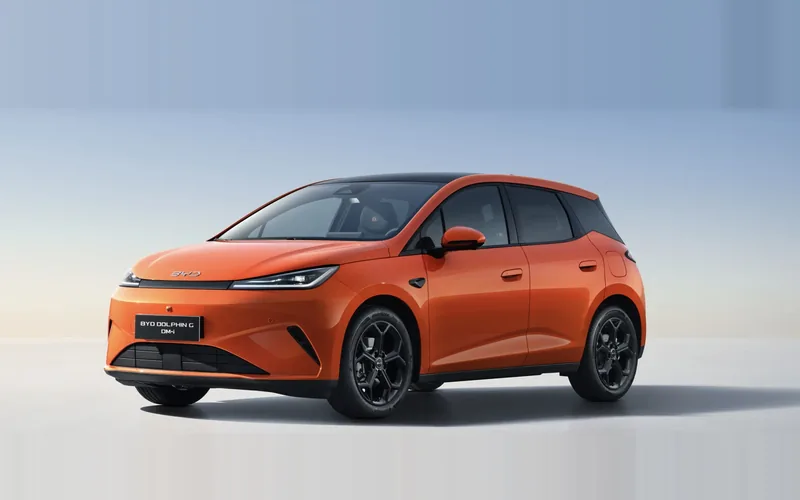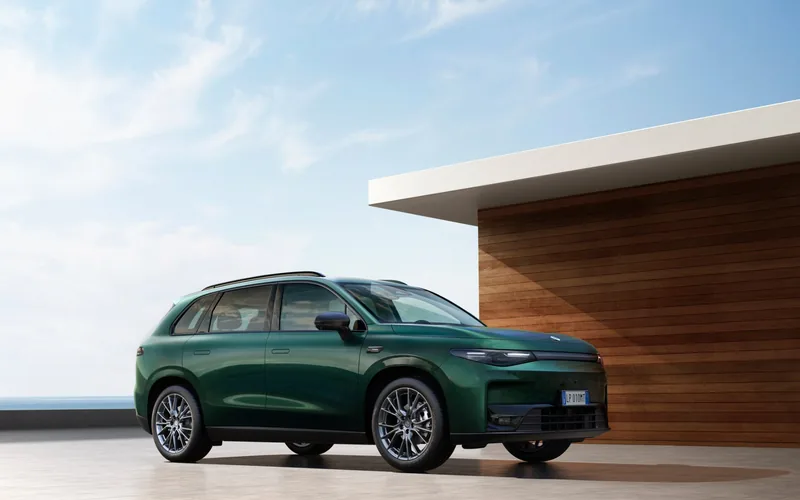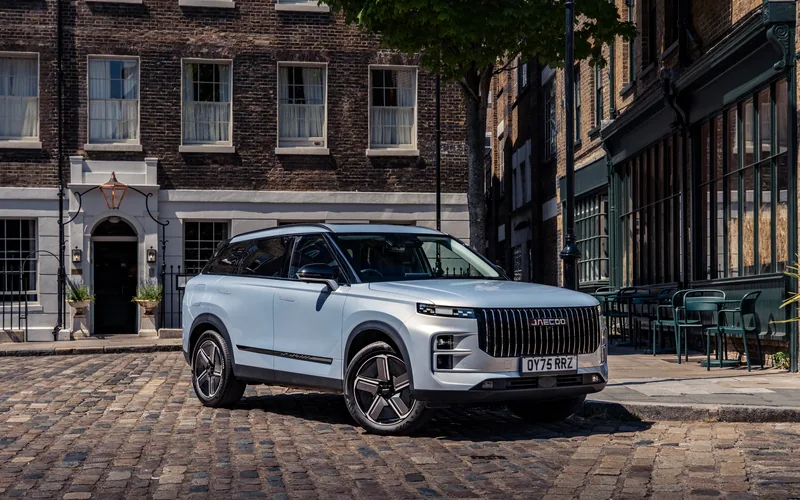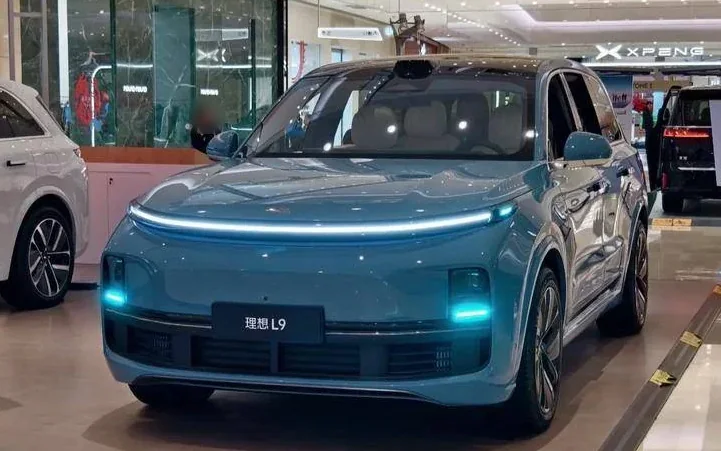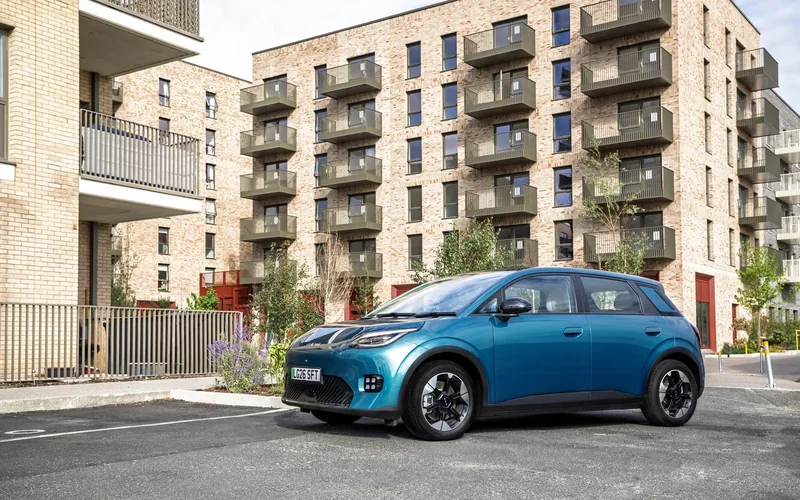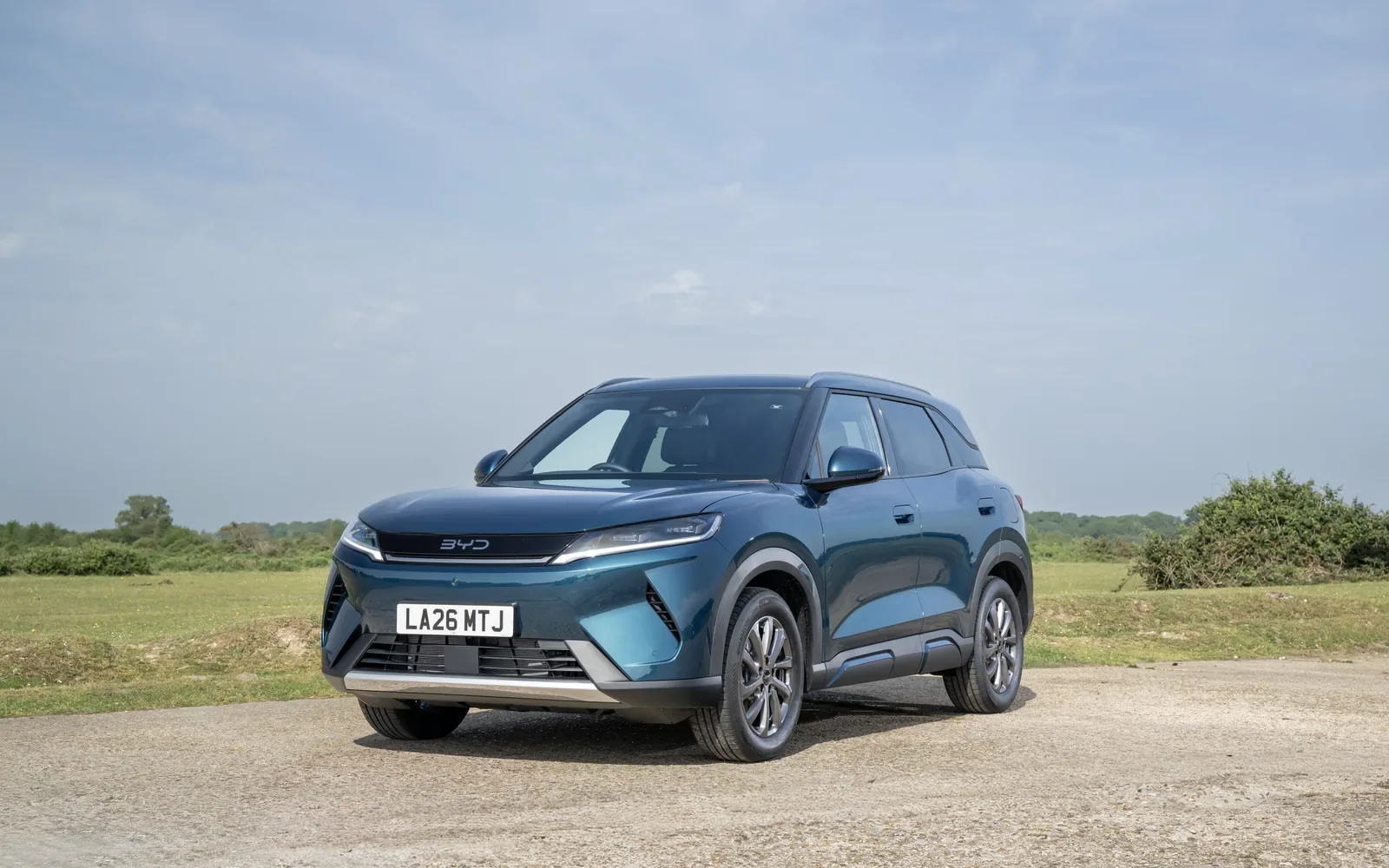
Walk into a showroom for a Chinese brand and you will meet a run of initials: DM-i, REEV, SHS-P, SHS-H. They are brand names, not technical categories, and they can hide how similar the systems underneath often are. This guide covers the three you are most likely to see in the UK.
The basic types
Most electrified cars fall into one of four groups:
- Battery electric (BEV): no petrol engine at all. You charge it from a plug.
- Plug-in hybrid (PHEV): a petrol engine plus a battery big enough to cover short trips on electricity alone. You can charge it from a plug, and the engine takes over or helps when the battery is low.
- Range extender (REEV or EREV): a plug-in car that is always driven by its electric motor. The petrol engine never turns the wheels. It only runs a generator that tops up the battery.
- Self-charging hybrid: a small battery charged by the engine and by braking. It cannot be plugged in and covers only short distances on electric power.
The Chinese systems below mix these ideas, which is why the labels can confuse.
BYD DM-i: a plug-in hybrid that behaves like a range extender most of the time
DM-i stands for Dual Mode intelligent and is BYD’s plug-in hybrid system, used on UK models such as the Atto 2 DM-i and the Dolphin G.
Both Autocar and What Car? describe the same basic layout. An electric motor drives the front wheels, and the petrol engine’s main job is to generate electricity. In the Atto 2 DM-i that engine is a 1.5-litre petrol unit. Autocar explains that the car usually runs as a series hybrid, meaning the engine charges the battery while the motor drives, but under heavy loads or at a steady high-speed cruise the engine can connect directly to the wheels.
That last point is what makes DM-i a plug-in hybrid rather than a pure range extender. Battery sizes and electric ranges vary by model and trim, so check the official WLTP figure for the exact version you are looking at.
Leapmotor REEV: a true range extender
Leapmotor offers its C10 SUV as a fully electric car and as a REEV. According to Leapmotor’s own launch material and Autocar’s report, the REEV uses a 28.4kWh battery and a 1.5-litre petrol engine that only generates electricity. The electric motor always drives the wheels.
Leapmotor says the combination gives a total range of more than 950 km, which Autocar gives as up to 590 miles. That figure is for the battery and a full tank together; the battery alone covers much less.
For a driver, a REEV feels like an electric car all the time, including the quiet pull away. The difference is that on a long trip you refuel rather than stop to charge.
Jaecoo SHS: one name, two kinds of car
Jaecoo uses SHS, short for Super Hybrid System. Jaecoo’s UK site lists two versions: SHS-P, a plug-in hybrid, and SHS-H, a self-charging hybrid that never needs plugging in and has a much smaller battery. Both pair a 1.5-litre turbocharged petrol engine with what Jaecoo calls a dedicated hybrid transmission.
Autocar’s review of the Jaecoo 7 SHS plug-in describes a gearbox with no conventional gears and a car that runs much of the time as a series hybrid, with the engine connecting to the wheels at higher speeds. In other words, its plug-in version works on similar principles to BYD’s DM-i.
The point to watch is that “SHS” alone does not tell you which you are getting. A Jaecoo 7 SHS-H cannot be charged at home, and its electric-only driving is limited; an SHS-P can.
What it means for UK buyers
The labels matter less than three plain questions: can you plug it in, does the engine ever drive the wheels, and how far will it go on electricity alone in the official WLTP test?
If you can charge at home and most of your trips are short, a plug-in such as a DM-i or SHS-P model, or a REEV such as the C10, can cover much of your driving on cheaper home electricity, with petrol for longer journeys. If you cannot charge at home, a plug-in loses much of its advantage, because it will spend more time running on petrol, and a self-charging hybrid such as an SHS-H may suit you better.
Electric ranges quoted by makers and reviewers do not always agree, and maker websites sometimes show more than one figure. Before you buy, ask the dealer for the WLTP electric range and fuel economy of the exact version and battery size you are being offered, and check how much of the battery is usable day to day.