Electric cars and vans traded between the UK and the European Union face a 10% import tariff from 1 January 2027 if they fail tougher rules on where their parts, and above all their batteries, come from. With six weeks to go, carmakers in both markets are asking for more time, and the Financial Times has reported that the two sides are discussing a postponement. Nothing has been agreed.
What changes in January
The rules of origin sit in the UK-EU Trade and Cooperation Agreement. They decide whether a car counts as British or European, and so crosses the Channel duty-free. They were meant to tighten in 2024 but were pushed back at the end of 2023, with transitional rules running to the end of 2026. Electrive notes that the decision at the time said no further delay was envisaged.
From 2027, according to Electrive:
- a car needs at least 55% UK or EU content by value;
- for battery cells and modules the figure is 65%;
- for battery packs it is 70%.
Cars that miss these thresholds pay the 10% duty.
How many cars are affected
ACEA, which represents European carmakers, forecasts that EU factories will send about 520,000 electric cars and vans to Britain next year, worth an estimated €17.9 billion (about £14.9 billion at 13 Nov 2026 rates), Electrive reports. By its estimate, roughly 426,000 of them (about 82%) would fall short of the new thresholds. That would add about €1.47 billion (about £1.2 billion) in tariffs in 2027 alone.
What the industry is asking for
On 5 November the SMMT published a report it commissioned with ACEA from LSE Consulting. It warns that neither the UK nor the EU can count on having enough compliant battery production by 2027, and that without a fix firms could face substantial extra costs. It asks the UK and EU to handle the 2027 rules together, with “appropriate flexibility”, and to agree a joint plan for batteries. It also wants UK-made parts and vehicles to count under the EU’s planned “Made in Europe” local content rules.
SMMT chief executive Mike Hawes puts UK-EU automotive trade at about €80 billion a year (about £67 billion). According to the report, the EU buys 60.4% of the UK’s vehicle exports, and the UK takes 30.0% of the EU’s. Europe has put roughly €72 billion (about £60 billion) into battery and EV plants since 2017, but about two in every three lithium-ion batteries used in the EU are still imported.
ACEA proposed in September that the current rules on battery packs stay until the end of 2029, with cells added from 2030 and cathode materials from 2032.
What has been reported
The Financial Times, citing people familiar with the matter, reported that the European Commission is consulting industry on a delay and that the UK government supports one, Electrive says. Two options are said to be on the table: a straight one-year postponement, or a two-year scheme under which carmakers could balance non-compliant imports with sales of compliant models at home. Serious talks are expected after the UK-EU summit on 20 November. Europe’s chemical industry, which has invested in local cathode production, opposes any further delay.
What does this mean for UK buyers?
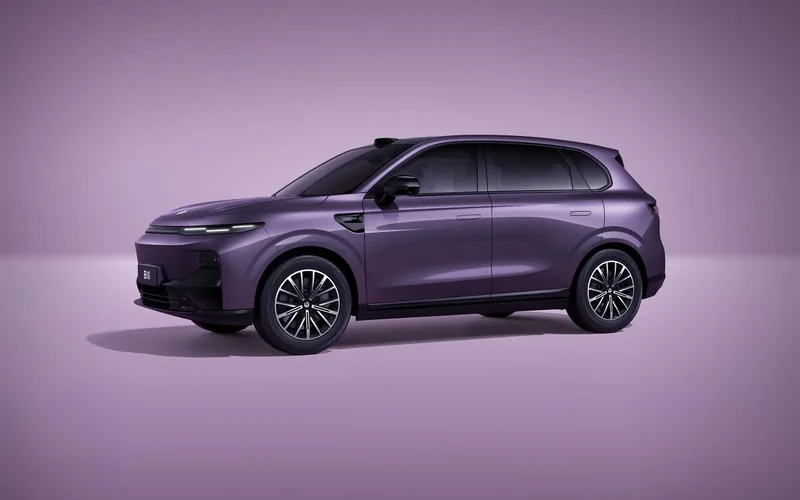
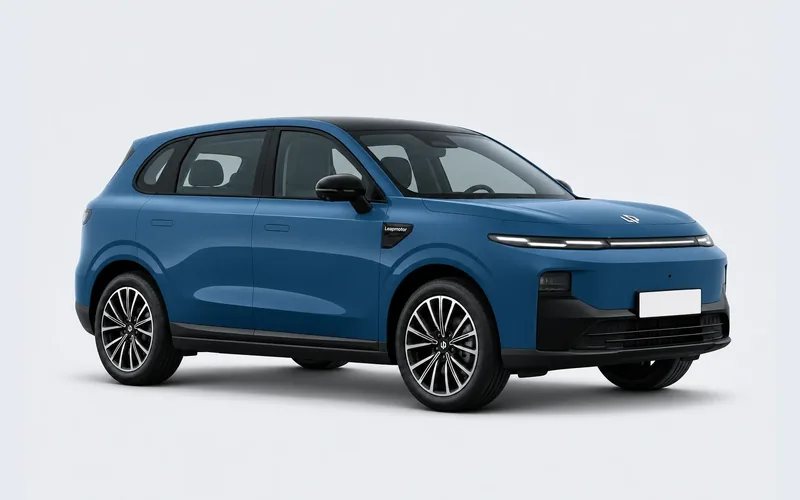
This tariff applies to cars built in Europe, not to those shipped from China, which are outside the UK-EU deal and pay the UK’s normal import duty. It still matters for Chinese brands. Some now build cars inside the EU, such as the Leapmotor B10, made by Stellantis in Zaragoza. Whether any given model meets the battery rules has not been published.
If the rules start on time, many European-built electric cars could cost more to bring into the UK. European carmakers worry that would hand Chinese brands an edge in British showrooms, Electrive reports. A delay would leave things as they are. Separately, ministers are still weighing extra tariffs on Chinese-built electric cars, and no decision has been announced. We will report the outcome of both.