Chinese brands took 21.6% of the UK new car market in October and 17.9% so far this year, according to SMMT figures reported by GoodCarBadCar. That success is why ministers are under pressure. Business Secretary Jonathan Reynolds has said the UK’s position on tariffs is under close review, and Automotive World reports that access to the EU’s “Made in Europe” programme, the government’s main aim for the UK-EU summit on 20 November, may depend on it.
Nothing has been decided. But if Britain does follow the EU, the damage would not be shared out evenly. Our view is that three things decide how exposed a brand is: what powers its cars, where they’re built, and which rate it would pay.
What “following the EU” could mean
The EU has two separate measures, and they hit different cars.
Electric cars. Since October 2024 the EU has charged anti-subsidy duties of 7.8% to 35.3% on electric cars built in China, on top of its normal 10% import duty, the law firm CMS explains. The rates are set company by company: 17% for BYD, 18.8% for Geely and 35.3% for SAIC, which owns MG, Newmobility reports. Hybrids and plug-in hybrids are not covered.
Hybrids. In October the EU and China agreed to cap imports of Chinese-built hybrids and plug-in hybrids at 350,000 a year from 1 December, electrive reports. The European Commission says that would more than halve imports by BYD, Chery and MG. Cars built inside the EU don’t count towards the cap, EU Perspectives reports.
Automotive World’s reading is that the likeliest UK outcome is a tariff on electric cars only. That’s the scenario we rank brands against first.
Most exposed: MG
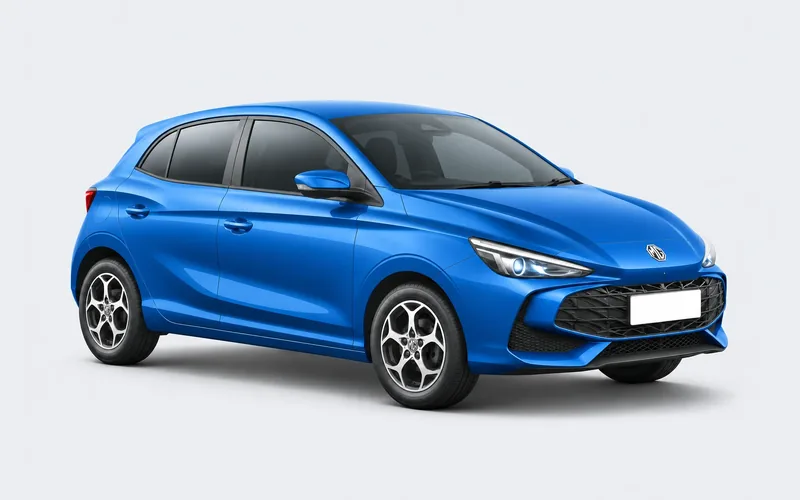
MG is the brand we think has the most to lose. Its parent SAIC pays the EU’s highest rate, 35.3%. And of the 11 MG models on sale or orderable in the UK, seven are fully electric: the MG4, MG4 Urban, S5, S6, IM5, IM6 and Cyberster. MG was the UK’s fourth-biggest brand in October.
MG does have a cushion. The HS, ZS and MG3 come with hybrid or petrol power, and they would not be affected by an electric-only tariff.
Also highly exposed: electric-only brands
Some brands sell only electric cars in the UK, and none of those cars are built in Europe. Where they come from China, there is no hybrid to fall back on:
- Polestar, smart and Lotus (the Eletre and Emeya; the petrol Emira is built in Norfolk). All three belong to Geely, whose EU rate is 18.8%.
- XPeng (G6 and X9), Aion (UT and V) and Geely’s own EX2 and EX5.
These brands sell fewer cars than MG, so the overall effect on the market would be smaller. But for each one, nearly every China-built car it sells here would cost more to import.
In the middle: BYD and Leapmotor
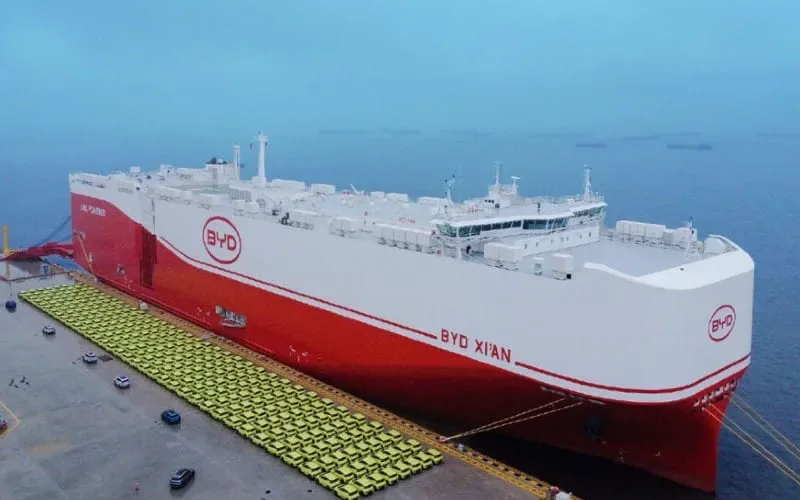
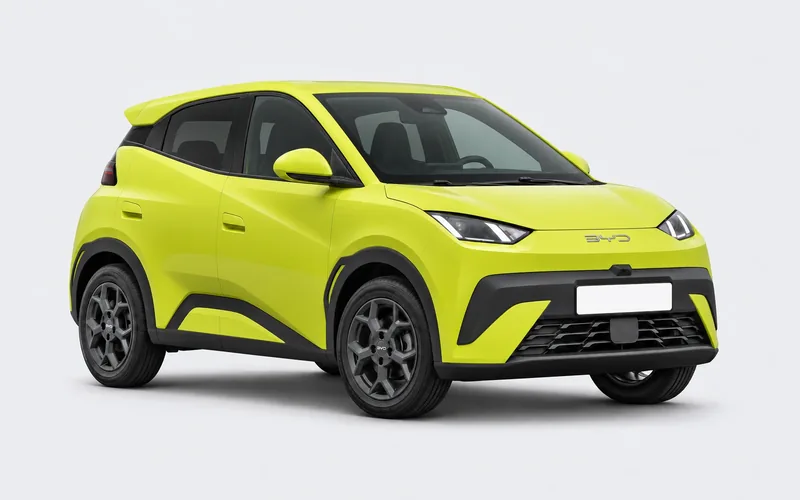
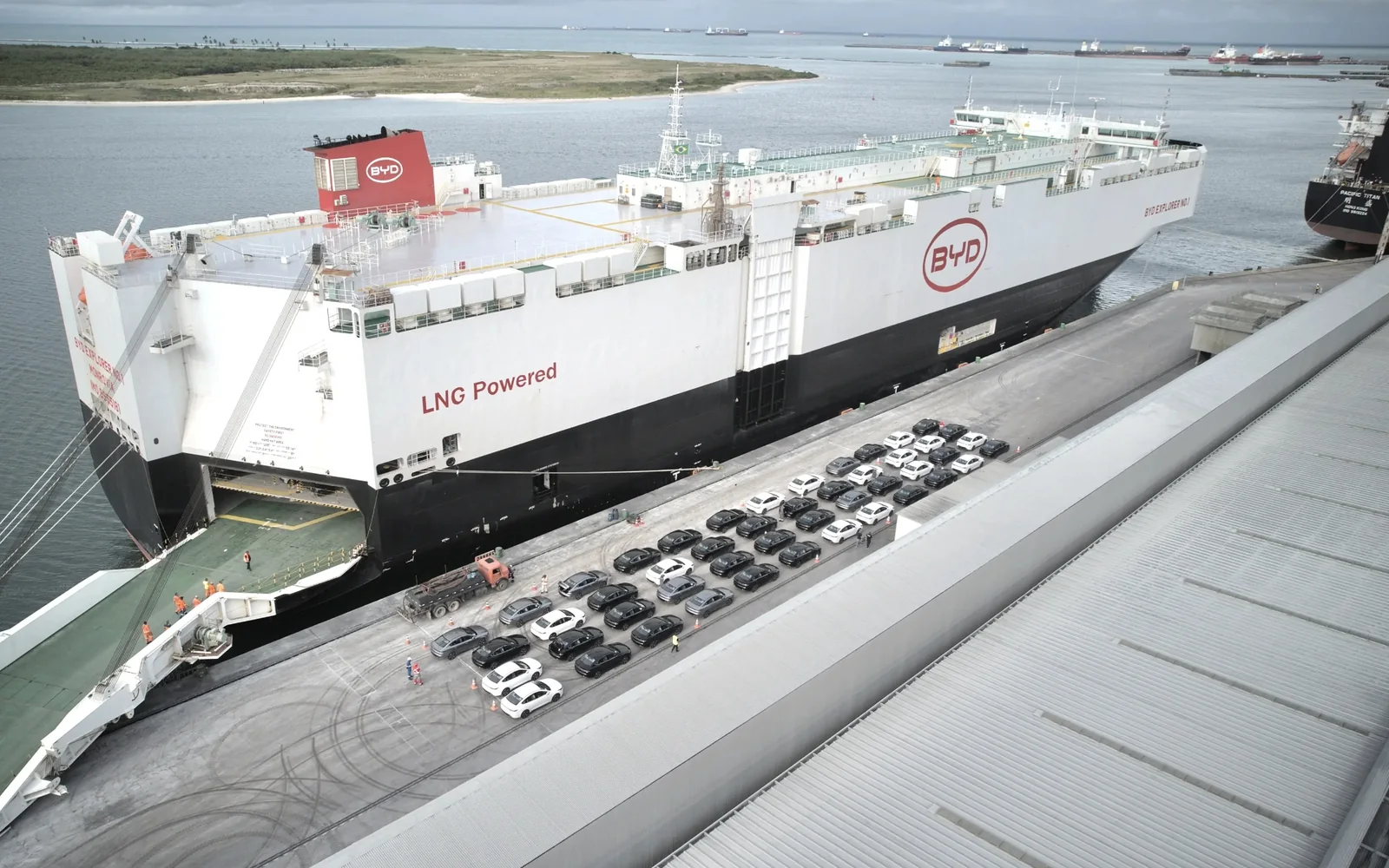
BYD has the lowest rate of the three big groups, 17%. It has also leaned hard into plug-in hybrids: eight of its 14 UK models are DM-i or DM-p plug-in hybrids, including the Seal U, Sealion 5 and the new Ti 7. Its electric Dolphin, Seal, Atto 2 and Sealion 7 would be hit. BYD’s Hungarian factory is due to start production in the final quarter of 2026, Just Auto reports, but BYD hasn’t said whether it will build right-hand-drive cars for Britain.
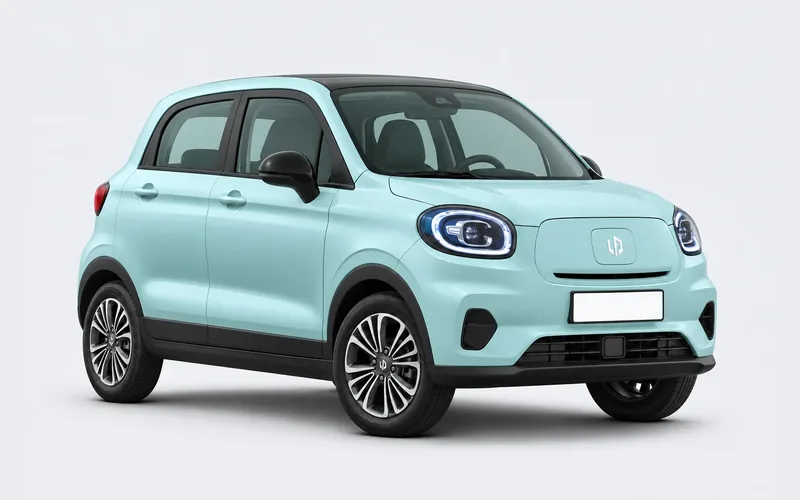
Leapmotor sells only electric and range-extender cars here. It has started building the B10 in Spain, which could help, but UK supply plans haven’t been announced. How exposed it is also depends on whether a UK rule treats range-extenders as electric cars. CMS says the EU’s rule covers vehicles driven only by electric motors, which is how a range-extender works.
Least exposed: Chery, Jaecoo, Omoda and GWM
Chery’s UK brands (Chery, Jaecoo, Omoda and the newer Lepas) are the clearest winners from an electric-only tariff. Automotive World says around three-quarters of Chery’s UK sales are its Super Hybrid models. The Jaecoo 7, the UK’s best-selling car in October, is sold as a plug-in hybrid, hybrid or petrol car. Only the Jaecoo E5 and Omoda E5 are fully electric, and the Lepas L8 is a plug-in hybrid.
GWM sells only hybrid and petrol models here (the Haval Jolion Pro and the Poer pickup), so an electric-only tariff wouldn’t touch it.
The twist: if the UK copies the hybrid cap too
That ranking flips if Britain also limits Chinese hybrids, as the EU is about to. Chery, BYD and MG would then be hit on both fronts, and the plug-in hybrids that BYD and the Chery brands have moved towards would be squeezed hardest of all. No UK minister has proposed this, as far as we have seen, but it would be the logical next step if “following the EU” means matching it in full.
There’s a wider point too. An electric-only tariff makes Chinese plug-in hybrids relatively cheaper, which pushes buyers away from the fully electric cars the UK’s zero-emission vehicle mandate requires carmakers to sell.
What does this mean for UK buyers?
- Nothing has changed yet. Chinese-built cars still carry the standard 10% duty, and no start date has been set for anything else.
- If you want an electric MG, Polestar, smart, XPeng or BYD, those are the cars most likely to rise in price if a tariff comes in. Carmakers may absorb some of the cost, so a tariff wouldn’t necessarily mean an equal rise in the showroom.
- Hybrid and petrol models from Chery, Jaecoo, Omoda, GWM and MG are the least likely to be affected by an electric-only tariff.
We’ll update this after the 20 November summit. See our news story on the UK tariff debate for the background.