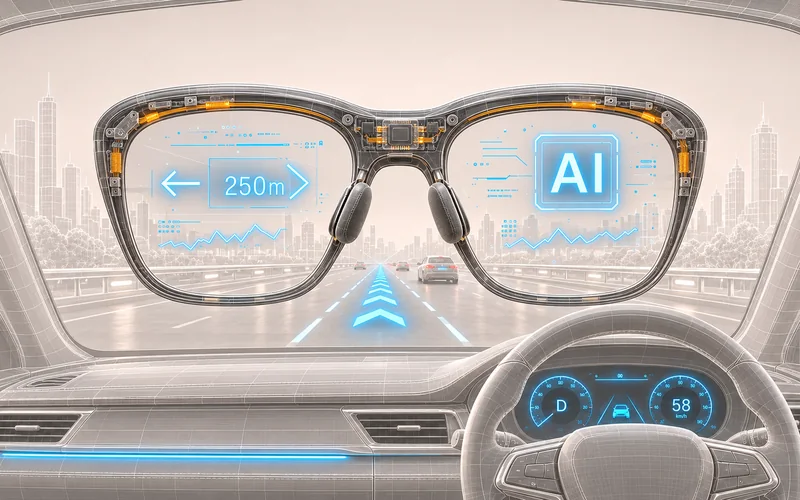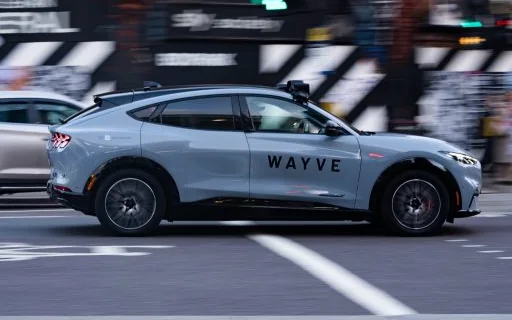
Since 2 September 2026, booking an ordinary Uber in London can put you in a car driven by software. Wayve’s AI Driver handles the Ford Mustang Mach-E, the fare is the same, and you can decline the match before it arrives. There is still a trained, licensed driver on board for every trip. It is a supervised service, not a driverless one, but it is the first time autonomous rides have been part of a normal booking in the UK.
So, would you get in one?
The case for saying yes
The rules are being built properly. The Automated Vehicles Act 2024 sets the framework, and permits for taxi- and private-hire-style automated services in England came into force on 15 May 2026, with permits of up to five years and, in some cases, local authority consent. The government has said full implementation of the Act will follow in the second half of 2027. That is slower than some would like, but a measured pace is what earns trust.
The interest is real too. Uber says more than 140,000 Londoners opted in to be matched with an autonomous car before launch. And the wider industry is moving: Chinese company Pony.ai, which runs fully driverless paid services in four Chinese cities, has announced plans with Uber for more than 2,000 robotaxis across five European cities, starting in Zagreb. The UK is not on that list yet, but the direction is clear.
Why many people will still hesitate
Trust is not built by press releases. People will want to know three things before they ride without a human backstop:
- How safe is it, in numbers? The UK’s draft benchmark is safety at least equal to careful and competent human drivers. Riders will want that measured and published, not just promised.
- Who is responsible when something goes wrong? The Act is designed to move responsibility to the company running the system when it is driving. That needs to be simple for passengers to understand.
- What happens to my journey data? Especially as more systems and fleets come from overseas.
Our take
We would get in, with the safety driver there, and we think plenty of curious Londoners will. The real test comes when the safety driver steps out. The operators that publish clear safety data, explain plainly who is accountable, and start with modest, well-mapped areas will win riders. In this industry, the fastest to scale will not necessarily be the ones people trust.