China’s domestic car market shrank again in October, while its exports kept climbing. Final figures from the China Passenger Car Association (CPCA), published on 9 November and reported by CnEVPost and Reuters, show retail sales of passenger cars falling by about 27% on October 2025, even as “new energy vehicles” (NEVs: fully electric cars, plug-in hybrids and range-extenders) reached a record share of the market.
Sales at home
According to CnEVPost’s report of the CPCA data, 1.643 million passenger cars were sold to private and fleet buyers in China in October, down 27.1% year on year and up 1.5% on September. Reuters put domestic sales at 1.65 million, down 27.3%, and said it was the twelfth monthly fall in a row. The two reports give slightly different figures.
NEV retail sales were 1.109 million, down 13.7% on a year earlier but up 2.3% on September. Because sales of petrol and diesel cars fell faster, NEVs took 67.5% of the market, the highest share yet. From January to October, 8.87 million NEVs were sold in China, 12.9% fewer than in the same period of 2025.
Within the NEV total:
| Type | October retail sales | Change on Oct 2025 |
|---|---|---|
| Fully electric | 770,000 | -5.3% |
| Plug-in hybrid | 226,000 | -37.2% |
| Range-extender | 114,000 | +1.0% |
The CPCA, as reported by CnEVPost, said high fuel prices are pushing buyers towards electric cars, but that tighter rules on who qualifies for subsidies have held back first-time buyers, leaving demand for small, cheap cars sluggish.
BYD remained the biggest seller of NEVs in China, with 250,301 retail sales, ahead of Geely (131,708), Leapmotor (83,573) and Changan (68,925). Reuters reported that Leapmotor, Xpeng and Xiaomi each had their best month on record, while Li Auto, Nio and the Huawei-linked brands sold fewer cars.
Exports keep growing
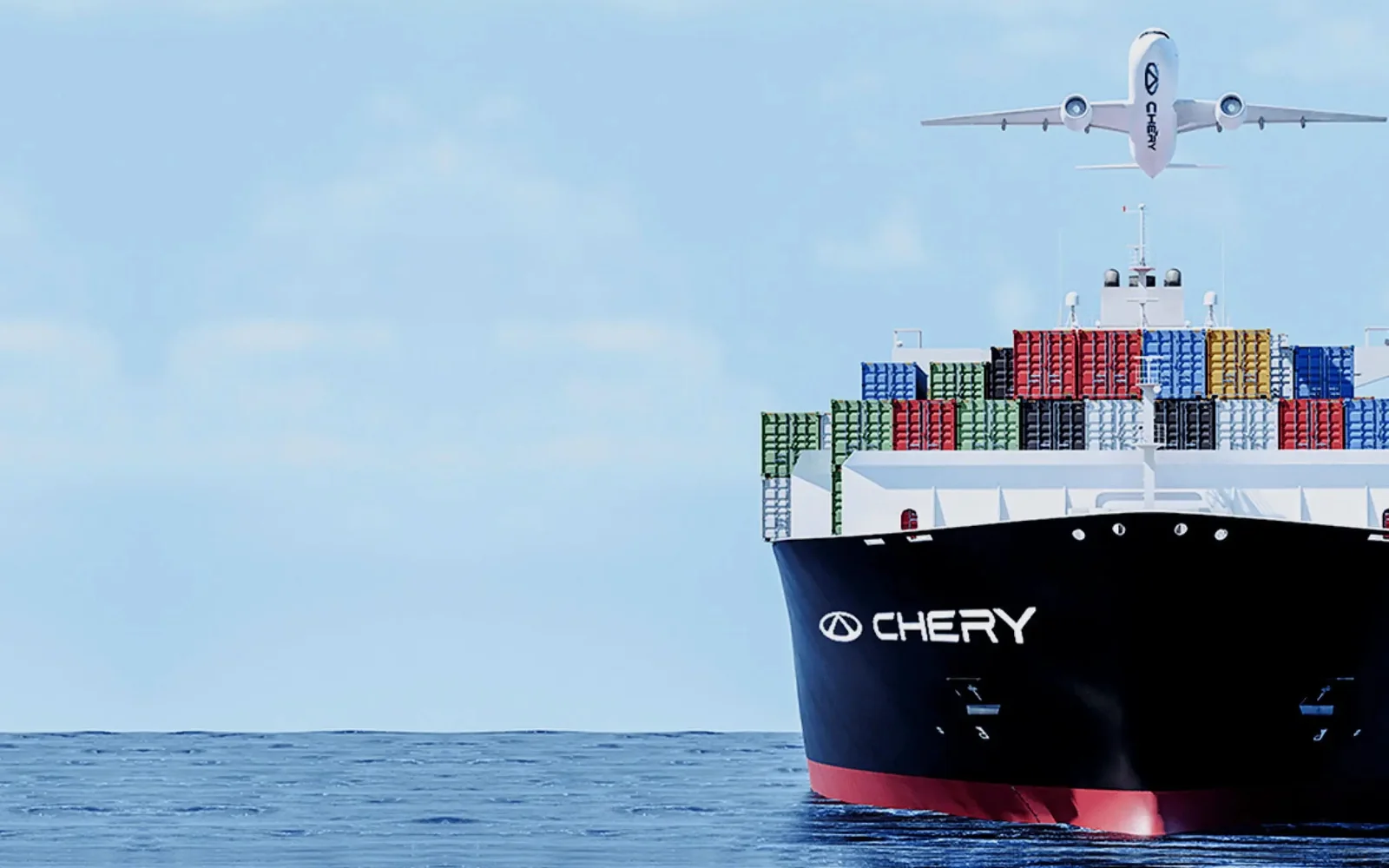
Exports moved the other way. Reuters reported that China shipped 932,000 passenger cars overseas in October, 68.2% more than a year earlier. CnEVPost’s figures show NEV exports more than doubling, up 144.7% to 582,000, about 63% of all passenger car exports by the CPCA’s count. From January to October, China exported 4.47 million NEVs, up 139.7%.
BYD was the largest NEV exporter, with 165,194 cars by the CPCA’s count, followed by Chery (83,843) and Geely (80,119).
The CPCA warned that this pace may not last. CnEVPost reports it said some export orders were brought forward ahead of lower export tax rebates and changes to tariffs in overseas markets, which could slow export momentum in early 2027. Reuters quoted the association’s secretary general, Cui Dongshu, as saying export growth overall will probably slow next year, with the Middle East expected to be a key driver of growth.
Overall NEV production in China was 1.835 million in October, up 10.9% on a year earlier.
What it means for UK buyers
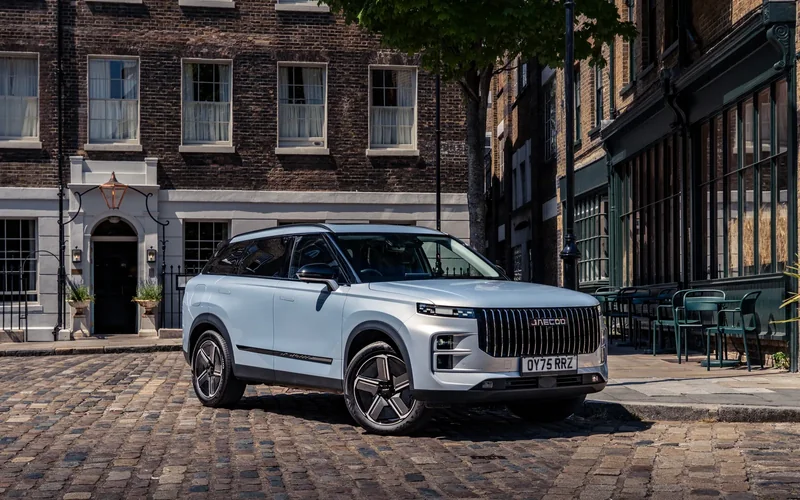
A shrinking home market and growing factory output mean Chinese brands have strong reasons to sell more cars abroad, and, unlike the EU, the UK has not yet put extra tariffs on Chinese-built electric cars. That helps explain the steady flow of new Chinese models and brands announced for Britain, and the keen pricing many of them launch with.
Two things could change the picture. As we have reported, the UK government is considering tariffs on Chinese-built electric cars, with a UK-EU summit on 20 November seen as a likely decision point (see our earlier report on the tariff talks). And the CPCA itself expects export growth to slow. Neither the CPCA nor Reuters gave UK-specific export figures, so it isn’t yet clear how much of October’s surge was bound for Britain.