For many British drivers the move to electric has stalled on one question: what about the long trip? Plug-in hybrids were meant to be the answer. Our view is that a different design, the range-extender, answers it better, and Chinese brands are the ones bringing it to Britain.
The trouble with plug-in hybrids
A plug-in hybrid has a petrol engine and an electric motor that can both drive the wheels, with a mid-size battery for shorter trips. In theory you drive on electricity most of the time. In practice, many owners don’t plug in often enough.
The European Commission’s first report on real-world fuel data, published in March 2024, found that plug-in hybrids registered in 2021 emitted on average 3.5 times more CO2 on the road than in the official test, mainly because they were not charged and driven on electricity as often as the test assumes. For petrol cars, the gap was about a quarter.
The design is partly to blame. With a small battery and an engine that can drive the car directly, a plug-in hybrid works perfectly well as a petrol car. If charging is a chore, it is easy to stop bothering.
Why a range-extender is different
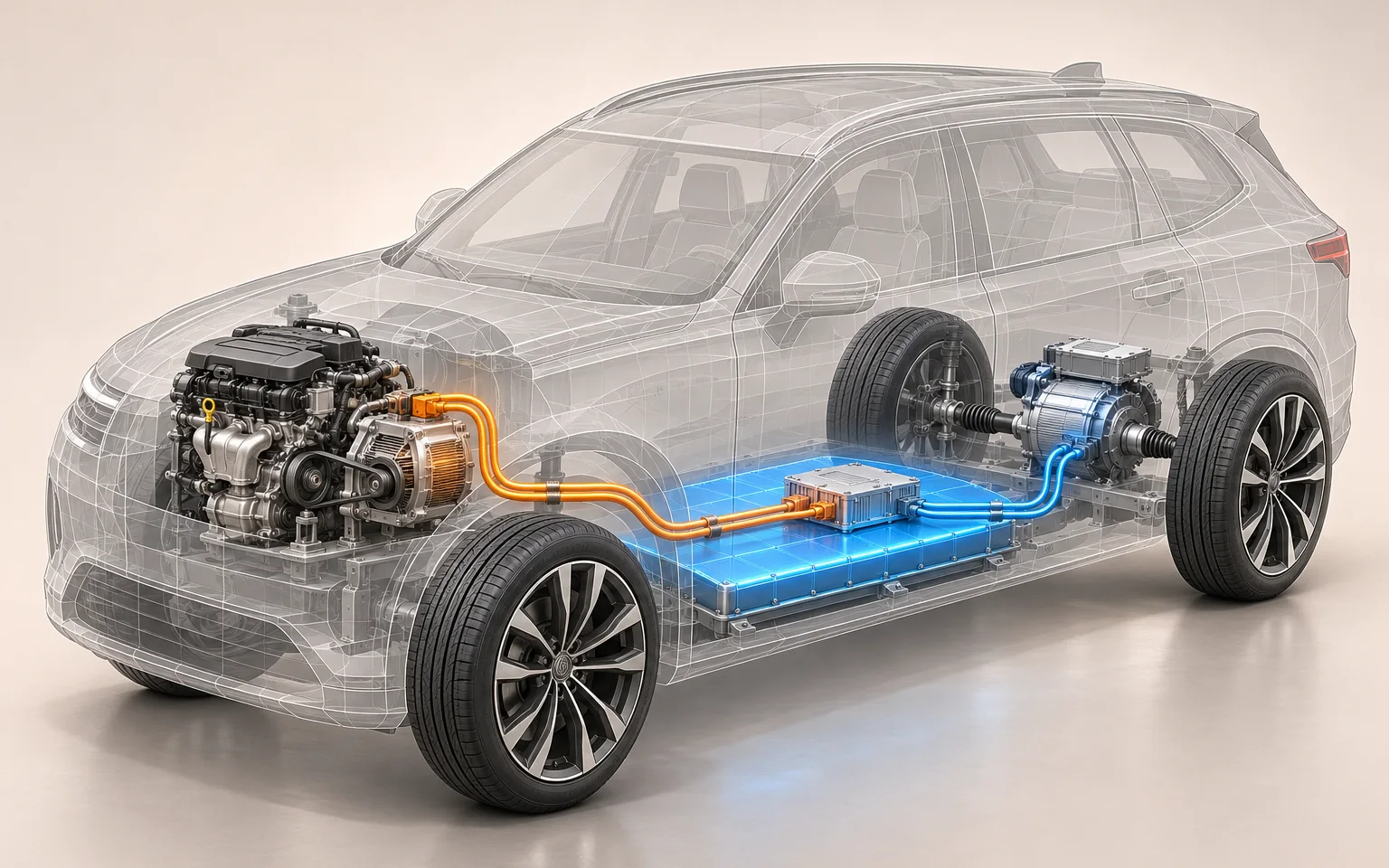
A range-extender electric car always drives on its electric motor. A petrol engine is there only to run a generator that tops up the battery on longer journeys. It never turns the wheels.
Battery sizes vary, and on the cars we list they are not always bigger than a plug-in hybrid’s: 18.8 kWh in the Leapmotor B10 range-extender and 28 kWh in the C10. The difference is in how the car behaves. Because it always drives like an electric car, quiet, smooth and with instant response, it rewards charging. Most British trips are short, so a range-extender charged at home spends most of its life as an EV, with the engine as a safety net for the long run to Cornwall or Scotland rather than the main act.
The cars are already here
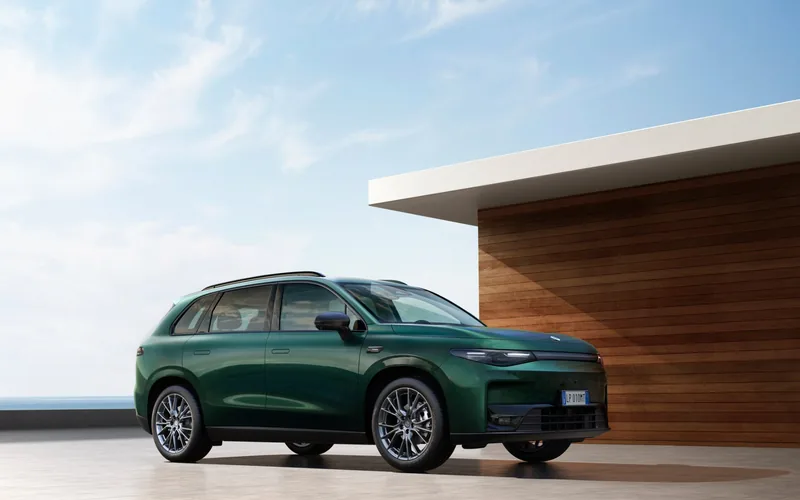
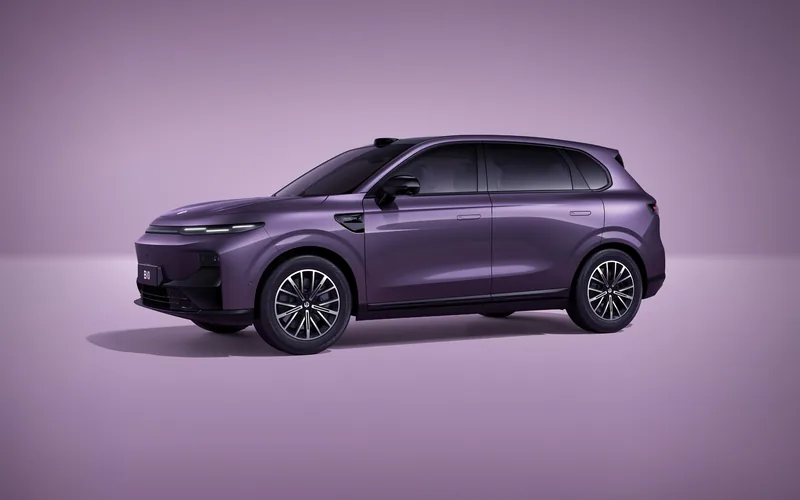
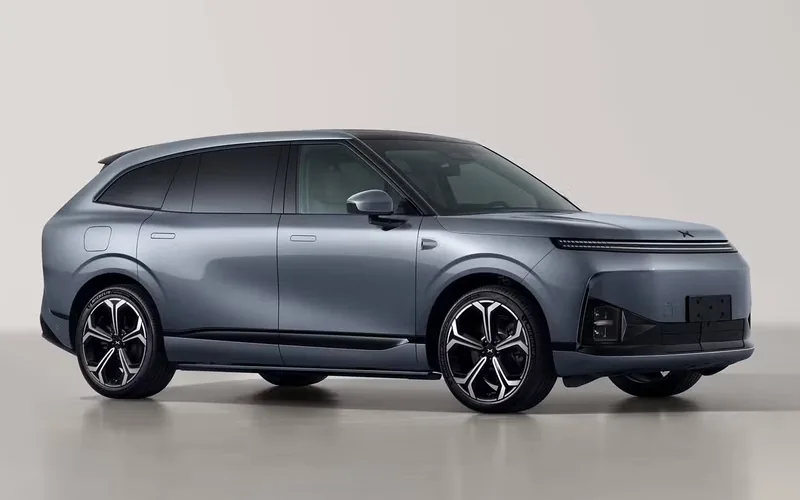
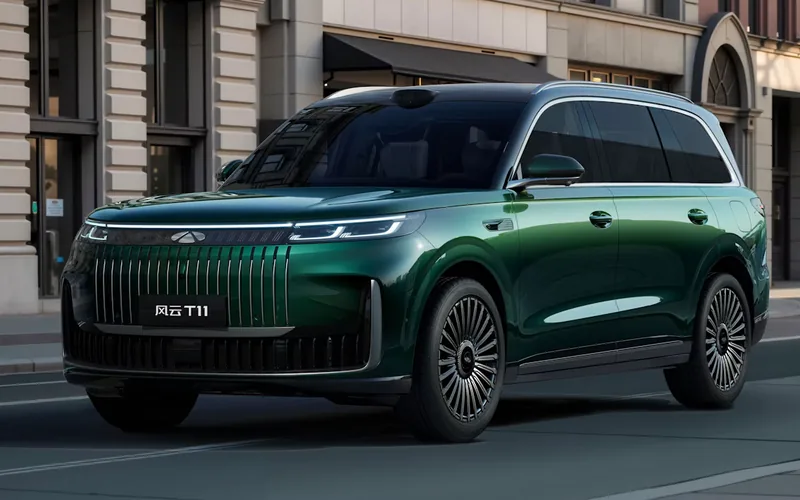
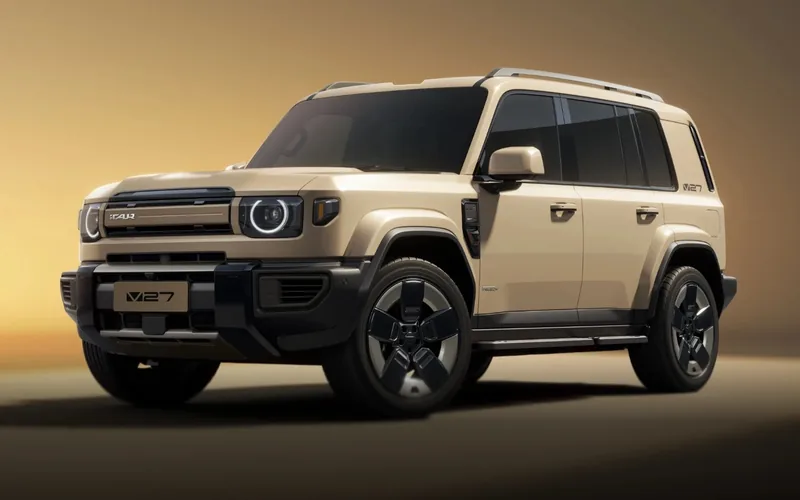
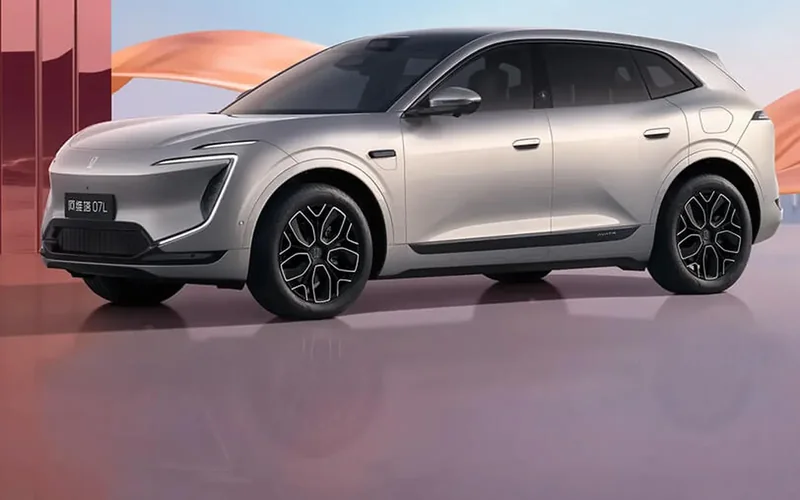
This is not theory. The Leapmotor B10 and C10 are on sale now in both battery-electric and range-extender form. The XPeng G9L is coming in both forms, and the Jaecoo 9 and iCaur V27 are due as range-extenders. You can compare how each type works on our Power types page.
What would make the case stronger
Range-extenders are not perfect. Once the battery is empty, economy is closer to a hybrid than an EV, and they carry the weight of two systems. Buyers deserve honest, UK-tested electric range and fuel figures for battery-empty driving, and clear tax treatment that rewards genuine electric miles.
Our view
For drivers who can charge at home but worry about the occasional long journey, a range-extender may be the most practical step into electric motoring on sale today. The UK spent years arguing about plug-in hybrids. It should take a serious look at the bridge it nearly missed.