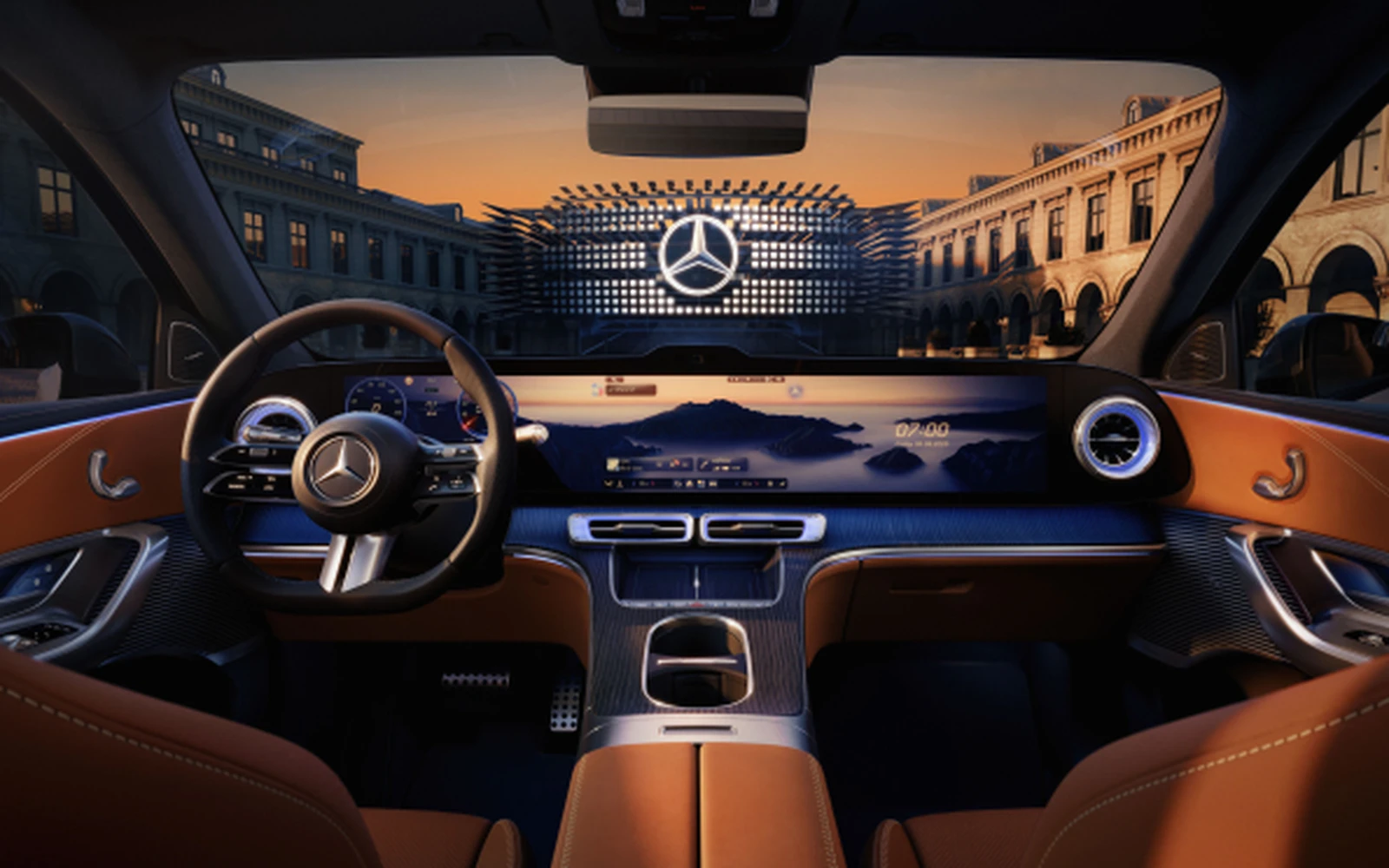
On Wednesday, Mercedes-Benz chief executive Ola Källenius told a Berlin audience that the company is moving to what he called “100% China for China”. Cars it sells in China will be developed, sourced and built there, starting with a new electric E-Class in the second half of 2027, Automotive World reports. Chinese suppliers and Chinese software partners, including Momenta, Tencent and ByteDance, will work inside the business.
The reason is simple. Mercedes’ sales in China fell 31% between July and September, and it has cut its profit forecast for cars to 2–3%. Chinese buyers are choosing Chinese brands, and the old model of shipping European parts to China for assembly no longer pays. Back home, Källenius told German staff: “We can’t hide anymore.”
Our view: this is the clearest sign yet that the label “Chinese car” is losing its meaning, and UK buyers should look past the badge.
The traffic now runs both ways
While Mercedes moves deeper into China, Chinese brands are moving into Europe:
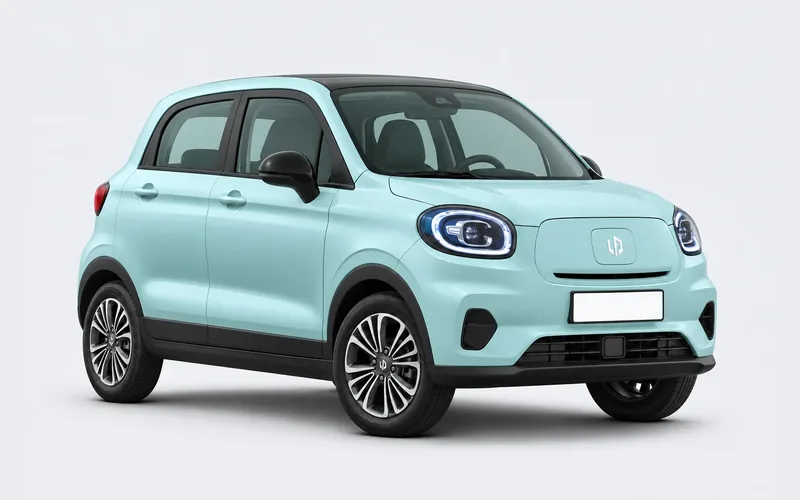
- Leapmotor, part-owned by Stellantis, has started building the B10 in Zaragoza, Spain.
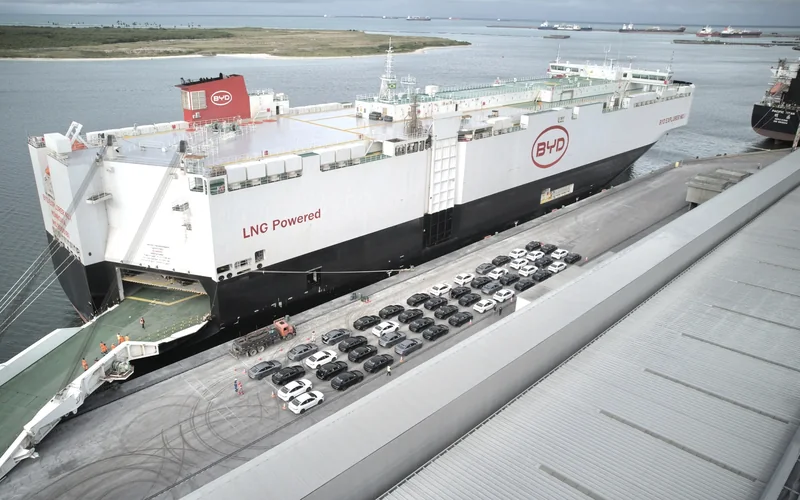
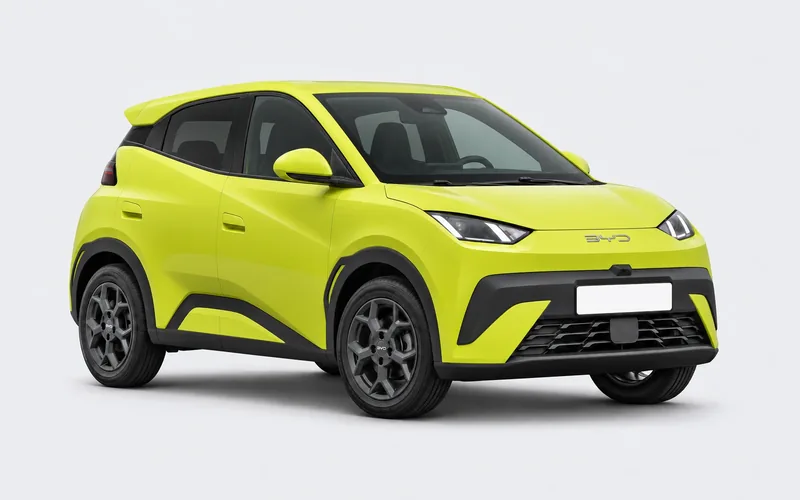
- BYD’s factory in Szeged, Hungary, is due to start production in the final quarter of this year, Just Auto reports.
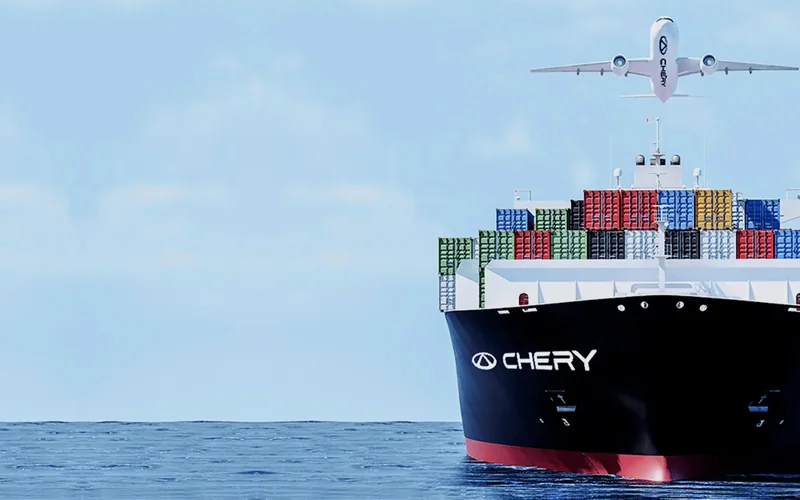
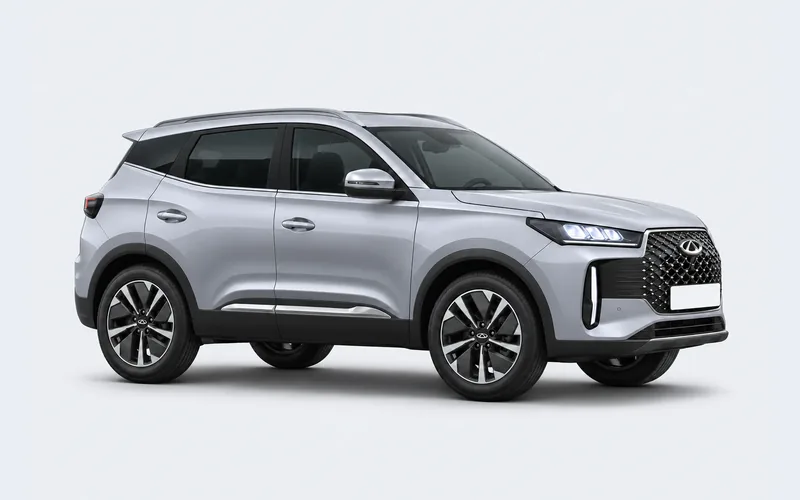
- Chery has held talks about building cars at Nissan’s Sunderland plant, according to Automotive World.
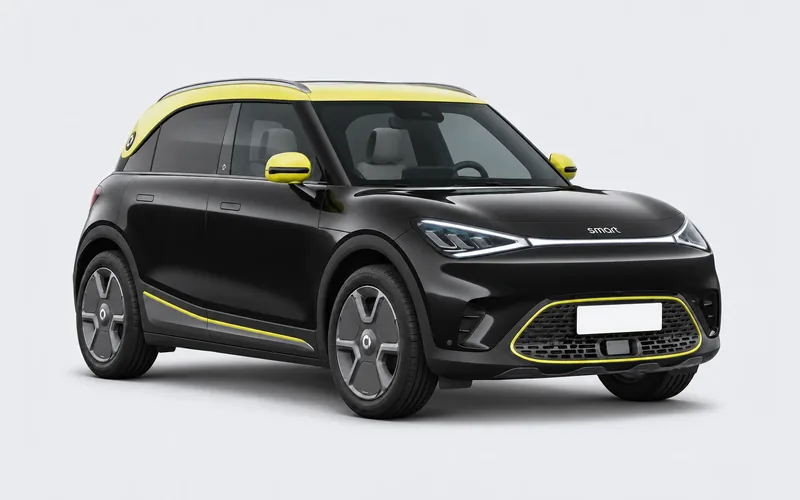
And some “European” brands are already Chinese in all but badge. smart is owned 50:50 by Mercedes-Benz and Geely, and its #1, #3 and #5 are all built in China. Polestar, the Swedish brand controlled by Geely, builds most of its cars in China. The Lotus Eletre and Emeya are built in Wuhan, while the Emira sports car is still made in Norfolk.
Look past the badge
The badge tells you less than it used to. A Mercedes built for China will run Chinese software, Smart is Chinese-built but with Mercedes design, and a BYD car may come from Hungary. If you care about where a car is made, check the car, not the logo.
Chinese technology is becoming the standard. When Mercedes brings in Chinese software firms to compete in China, it’s admitting that’s where the pace is being set. Expect more of that technology in cars sold here, whatever the badge.
Tariffs follow the factory, not the flag. And the timing is not academic. Ministers are weighing EU-style tariffs before the UK-EU summit on 20 November (our analysis). Trade rules look at where a car is built: the EU’s new cap on Chinese hybrids, for example, doesn’t count Chinese-brand cars assembled inside the EU, EU Perspectives reports. A BYD from Hungary or a Leapmotor from Spain could escape duties that a European-badged car built in China would pay.
The bottom line
“Chinese car” used to mean a Chinese brand, built in China. That definition is breaking down from both ends. For buyers, the questions that matter are where the car was made, whose software runs it, and who stands behind the warranty and parts here.