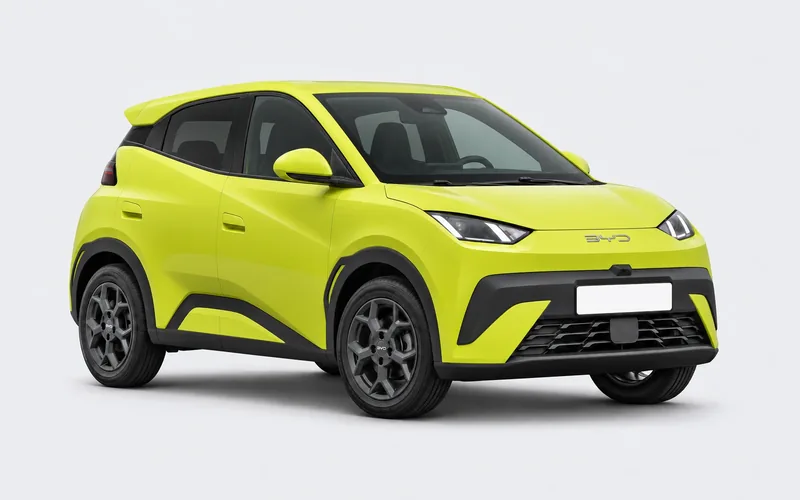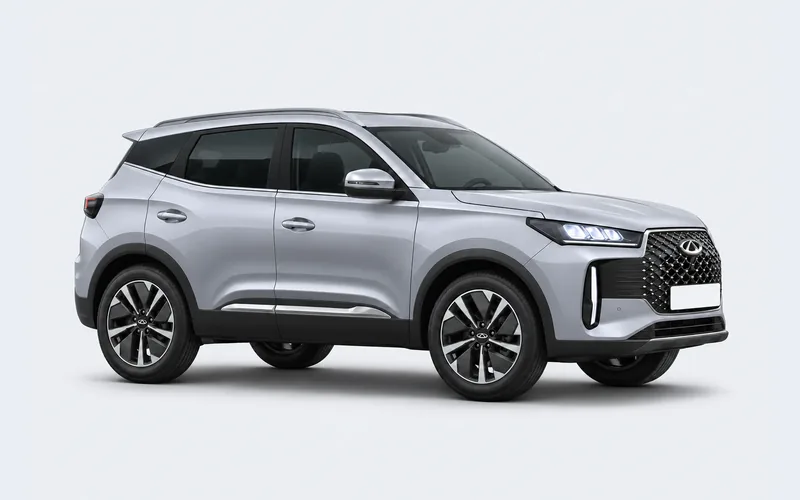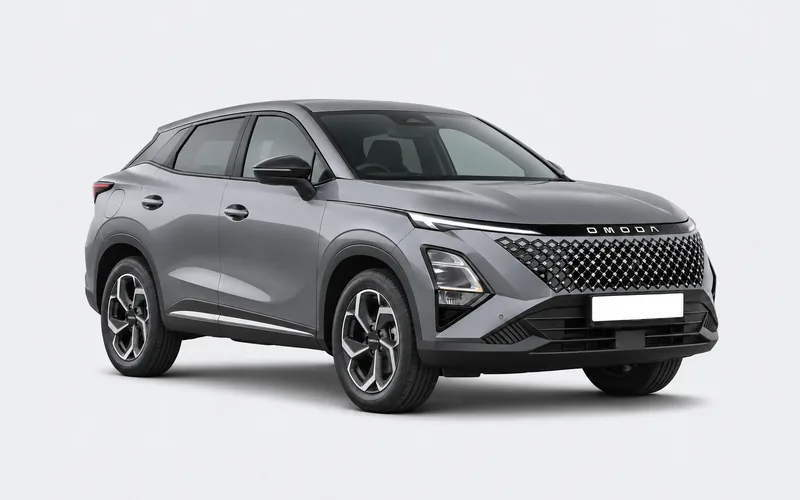
Two numbers sum up the car industry in 2026. China has exported more than 9 million vehicles in the first ten months of the year, up 65%. Volkswagen, Europe’s biggest carmaker, is cutting 50,000 jobs in Germany. They’re not separate stories.
China: shrinking at home, booming abroad
China’s car market is getting smaller. Total vehicle sales in China fell 5.1% in the first ten months, according to the China Association of Automobile Manufacturers (CAAM). Passenger-car sales at home dropped from 19.4 million to 14.5 million, and October alone was down more than a quarter on last year. We covered October’s figures in detail.
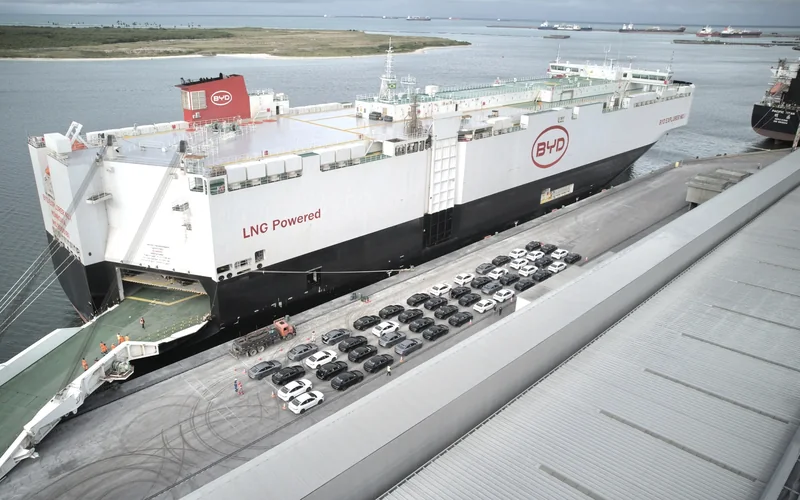
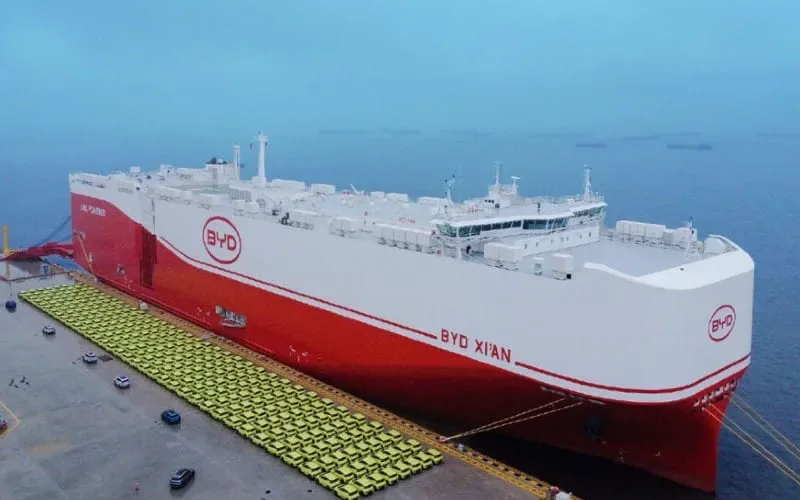
So Chinese carmakers are selling abroad instead. CAAM’s figures show 9.27 million vehicle exports from January to October, including vans and trucks, up 65% on 2025. More than 8 million of those were passenger cars, against 4.8 million a year earlier. Cui Dongshu of the China Passenger Car Association expects more than 10 million exports for the full year.
The reason is simple: China’s factories were built for a bigger home market than they now have. Cars that can’t be sold in China are being sold elsewhere, often at sharp prices.
How China got ahead
In a Bloomberg interview this week (“China’s Long-Term Auto Bet is Winning”), a Bloomberg reporter back from a reporting trip to China said the most important factor was a long-term government signal. In 2015, Beijing set out a ten-year plan to lead in electric cars, driven by worries about imported oil, pollution and energy security. That gave carmakers, investors and local governments the confidence to move together. Provinces competed to attract carmakers such as Geely, offering land and support for new factories.
He described three advantages that followed:
- Automation. He visited a Geely plant signposted as a “dark factory”, automated enough to run with the lights off.
- Suppliers next door. Factories sit among their suppliers, which cuts cost and time.
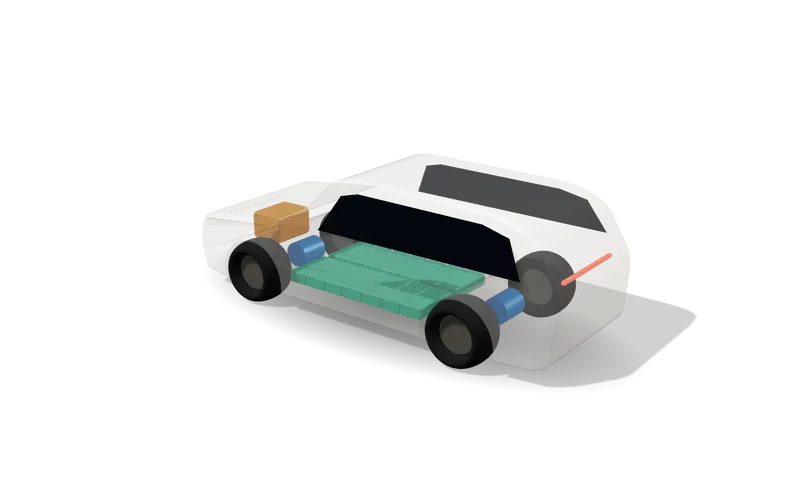
- Batteries. Batteries make up about half the cost of an electric car, and the world’s two biggest car-battery makers, CATL and BYD, are Chinese.
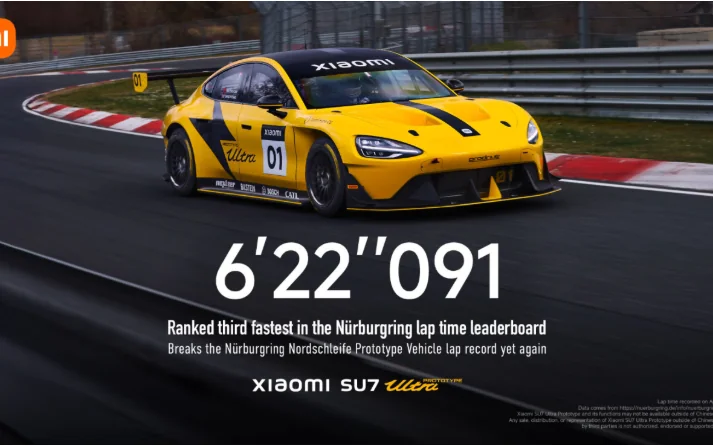
The speed of progress shows on the track too. Xiaomi, a smartphone maker that only launched its first car in 2024, has set Nürburgring Nordschleife records with its SU7 Ultra. The production car lapped in 7 minutes 4.957 seconds, the record for an electric executive car. A stripped-out prototype managed 6 minutes 22.091 seconds, the third-fastest lap on the circuit’s leaderboard. Xiaomi doesn’t sell cars in the UK.
Western bosses have noticed. Ford’s chief executive Jim Farley has said Chinese carmakers’ cost and technology left him humbled. The reporter’s advice for Western carmakers was to learn from China, including through joint ventures, much as Chinese firms once learned from Volkswagen and others.
Europe: cuts, losses and lost share
Volkswagen’s 2025 results showed net profit down 44% to €6.9 billion, its worst result since the diesel scandal. Its finance chief blamed trade barriers and competition, including Chinese rivals such as BYD, Geely and Nio taking share in China, where VW sales fell. VW now plans to cut 50,000 jobs in Germany by 2030.
In Europe itself, Chinese brands took about 10.7% of new-car sales in the second quarter, according to Schmidt Automotive Research, nearly double a year earlier. Dataforce put July at 11.2%. Plug-in hybrids have driven much of the growth. The EU’s extra tariffs on Chinese-built cars apply to fully electric models only, so many Chinese brands have leaned on hybrids.
The UK is ahead of the trend
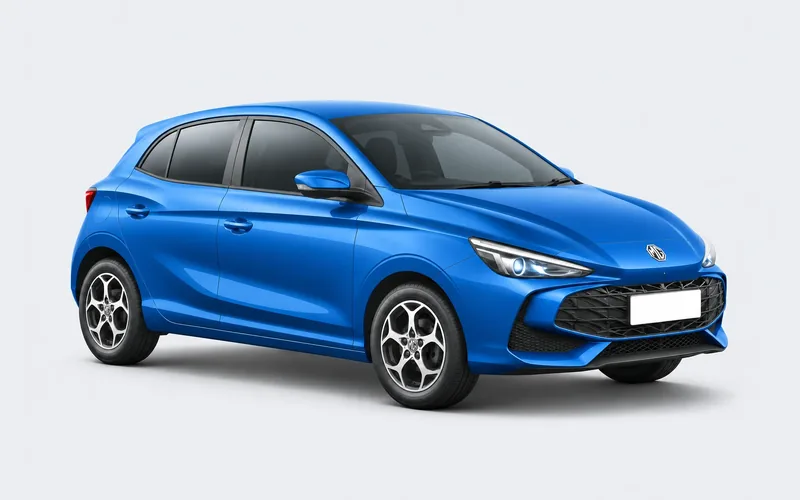
The UK has no extra tariffs on Chinese cars, and it shows. On the industry body SMMT’s figures, China-owned brands took more than 21% of new-car registrations in October. The exact share depends on which brands are counted: the narrow count of MG, BYD, Omoda and Jaecoo was about 15% earlier this year. Either way, it’s roughly one new car in five or six.
The Jaecoo 7 topped the UK sales chart in October for the second month running, and it’s second only to the Ford Puma for the year so far. Volkswagen, Nissan, Peugeot, BMW and Ford all lost UK market share in the first half of 2026.
The SMMT has warned that Chinese brands are pushing established makers into deeper discounts. UK car production fell 7.5% in the first half of the year.
What comes next
- More Chinese cars built in Europe. BYD expects its Hungarian factory to start production in late 2026, about a year later than planned. Chery is preparing a plant in Barcelona, and Leapmotor already builds the B10 in Spain. Cars built in Europe avoid EU tariffs, and could reach the UK tariff-free too.
- A bigger share. Counterpoint Research, quoted by Reuters, forecasts that Chinese brands will take more than 20% of Europe’s car market by 2030.
- Trade rules. The UK’s own position on tariffs, and the UK-EU rules of origin for electric cars from January 2027, will shape prices here. We’ve covered the rules of origin and whether the UK might add tariffs.
- Pressure on prices. As long as China builds more cars than it can sell at home, the push into export markets is likely to continue.
What does this mean for UK buyers?
In the short term, it’s good news. More brands are competing for your money, and established makers are discounting to keep up. There are more affordable electric cars and plug-in hybrids than ever.
The risks are longer term. Some of the newer brands are still building dealer and service networks, and a market this crowded won’t support every brand indefinitely. Before you buy, check the warranty terms, how close your nearest service centre is, and how long the brand has been selling in the UK. Our brand pages list what each one offers.